

























































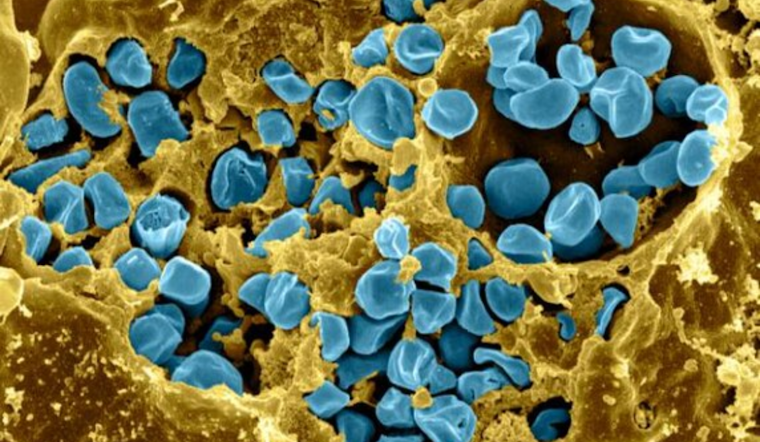
A resident of Boulder County has become this year's first human tularemia case, after developing severe symptoms including fever, mental confusion, and lung complications, health officials disclosed yesterday. The unidentified person, living near the city of Boulder, experienced the onset of fever on October 2, which heightened into pneumonic tularemia, one of the disease's rarer and more dangerous forms.
The investigation revealed potential contact with both a cat and a dog; however, neither animal has shown any symptoms of the illness, according to Boulder County. The exact means of transmission remain unclear. While the patient has not reported any recent insect bites, it is still possible that an insect vector, such as ticks or deer flies, known carriers of tularemia could be responsible for the infection.
In response to the serious health threat posed by tularemia, warning signs will soon dot the vicinity, admonishing locals to maintain distance from wildlife and to report potential symptoms promptly to healthcare providers. Tularemia's bacterial source, Francisella tularensis, is not uncommon in local fauna, with rodents and lagomorphs like rabbits frequently hosting the pathogen, which can be transmitted to humans through various means including insect bites and handling infected animals, or even by inhaling aerosolized particles from contaminated sources.
"It's essential to take precautions around wild animals and avoid contact, as tularemia, while rare, poses serious health risks," Boulder County Public Health Vector Epidemiologist/Environmental Health Specialist Carly Wilson stated, per Boulder County, emphasizing proactive healthcare dialogue if residents develop a fever, especially if they're aware of tularemia's presence locally or suspect exposure. Tularemia's human impact varies but typically manifests as fever, chills, and swollen lymph nodes, often mimicking more common respiratory illnesses, making vigilant communication and early detection crucial for affected individuals.





.jpg)