

























































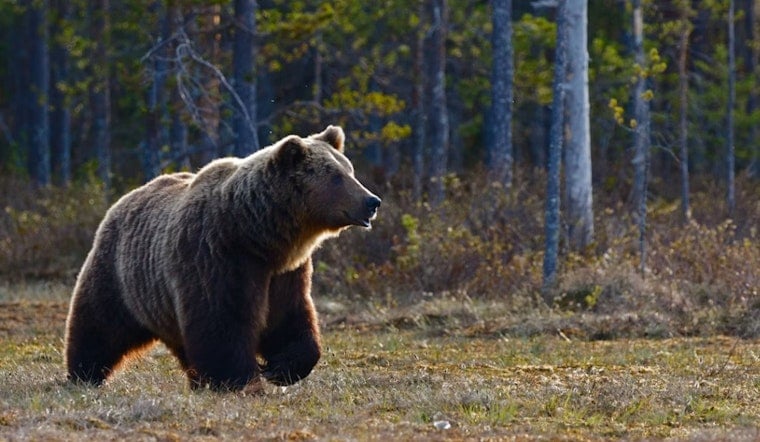
A black bear was found eating another bear in Steamboat Springs this week, leaving wildlife officers with a grisly question: Did the surviving animal kill its fellow bear, or did it simply find a carcass near a busy roadway? The unusual scene unfolded in town, where this kind of behavior is rare enough to stop even seasoned wildlife officials.
Colorado Parks and Wildlife officers responded Wednesday after receiving a report of the scene, according to the Denver Gazette. By the time they arrived, the bear had abandoned the carcass and was hiding in nearby trees before escaping down Fish Creek toward the Yampa River. Officers removed the carcass from the area.
The location near U.S. Highway 40 gives investigators one plausible explanation: The dead bear may have been struck by a vehicle and eaten afterward. The Steamboat Pilot & Today reported that a bear fight also remains possible, while a local wildlife officer said he had not seen a black bear consume another black bear in town during a decade in the area.
Black Bear Cannibalism Is Rare But Documented
Black bears are omnivores, but Colorado Parks and Wildlife says their natural menu is dominated by berries, nuts, insects and other plant foods. The agency warns that accessible garbage, pet food and other human attractants can pull bears into neighborhoods and teach them to associate people with easy calories.
That does not make the Steamboat scene normal. A literature review hosted by the University of Illinois research team documented 42 American black bear cannibalism events; many had undetermined causes, while known explanations included fights, infanticide and scavenging.
Another Sign Of A Busy Bear Summer
The encounter also follows several recent bear-in-town reports around Steamboat Springs. Hoodline recently reported on a black bear that climbed into a pickup, another reminder that wildlife can turn an ordinary neighborhood errand into a close encounter.
For residents and visitors, the practical takeaway is less mysterious than the scene itself: Secure trash, pet food and other attractants, and keep your distance from any bear or carcass. Colorado Parks and Wildlife advises people not to approach wildlife or investigate unusual behavior themselves, but to report concerning encounters to officials.





