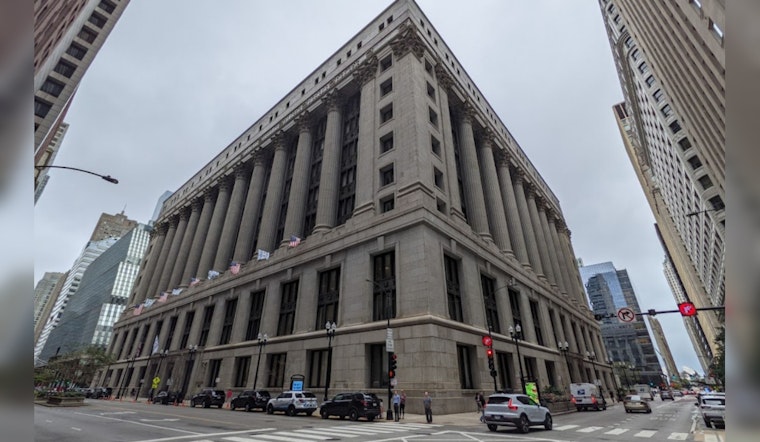
The Chicago City Council has resoundingly rejected Mayor Brandon Johnson's proposed $300 million property tax increase. This unanimous decision came without debate during a special meeting set for the occasion. As reported by CBS News Chicago, longtime alderman Scott Waguespack characterized the vote as a "devastating loss" for Johnson, emphasizing the unprecedented nature of the decision. Echoing his sentiment, Ald. Bill Conway stated, "We needed to send a message today that weren't going to balance this budget on property taxes, working families."
Following the vote, the mayor, who had campaigned on a no-property-tax-hike promise, appeared undeterred, avoiding specifics on alternatives for the budget balance, reiterating his stance against cutting city services. The mayor was quoted as saying, "We cannot afford to go backwards and cut services to the people of Chicago, who rely on them." This statement reflects a commitment to maintaining service levels, despite the setback with the City Council.
Mayor Johnson's initial budget proposal had stirred considerable opposition from members of the City Council, who had made it clear they would not support the substantial property tax increase. According to the Chicago Sun-Times, Ald. Anthony Beale expressed confidence that the rejection was inevitable, stating, "He’s given up on the property tax increase because he knows we had the votes, and he did not." Albeit negotiations continue, the clear message from the council is one looking towards alternative revenue sources and possibly more purse-string discipline.
One significant concern with the rejection of the tax hike is its impact on city pensions, with Mayor Johnson maintaining the importance of the $272 million pension payment—an advance on top of the state-mandated contribution. Addressing alternatives, Johnson has remained noncommittal on raising city fees or imposing different taxes but has emphasized that any solution should be progressive. This stance on progressive revenue measures aligns with his previous advocacy for taxing sales of million-dollar homes as a means to generate funds, a referendum that voters previously rejected as per his statement.
With the December 31 deadline for the budget fast approaching, Ald. Jason Ervin believes a compromise can be reached to avoid cuts to essential city services that residents rely on. As the mayor and the council deliberate on the next steps, concerns about city operations and the weight of the burden that taxpaying citizens can bear remain at the forefront of these discussions.