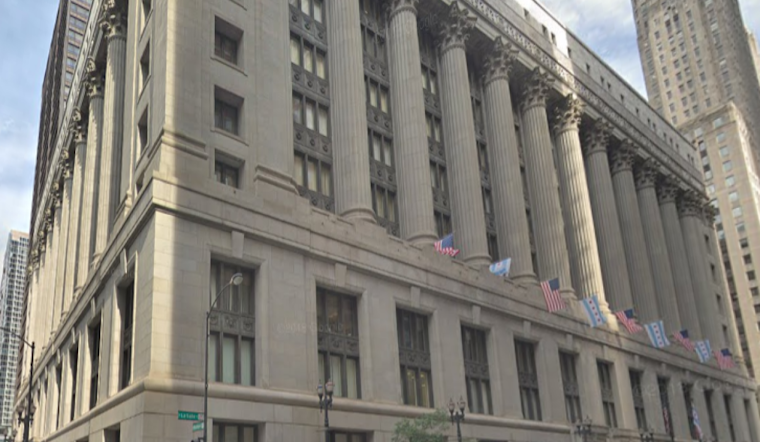
Grasping at solutions to bridge a daunting $1 billion budget gap, Mayor Brandon Johnson has put forth a $17.3 billion budget proposition for Chicago in 2025, which notably includes a controversial $300 million property tax increase. This hike, if approved, would tack on roughly $200 more in annual taxes for a home valued at $250,000, as reported by WBBM Newsradio. But opposition is stiff, with more than a dozen City Council members openly rejecting any rise in property taxes, while even some of Johnson's own allies are balking at the scale of the proposed increase.
In light of the pushback, Mayor Johnson has shown signs he might to back down from the initial figure. "Well, this is a proposal," Mayor Johnson told WBBM Newsradio. "I've proposed my budget. It's balanced, the city council's responsibility is to pass it. And I've said from the very beginning that we are open to ideas of new revenues,” Mayor John added. Indeed, there appears to be some willingness to pivot and consider alternative revenue streams to address the city's fiscal woes.
As outlined by the Chicago Sun-Times, Chicago's current predicament is attributed to structural deficiencies in its financial framework. The city's long-term revenue growth hasn't kept pace with inflation and the rising costs of public services, nor has it been adequate to meet the debt service obligations imposed by Springfield for unfunded pension liabilities. These challenges demand robust solutions, including increased recurring revenue, re-amortization of pension debt, and greater cooperation with state lawmakers.
Despite the contentious nature of the proposed property tax hike, Mayor Johnson stands firm on the need for investment in community services. "The point, though, that I want to make sure that everybody is clear about: I made a commitment to invest in the people of Chicago, our young people, workforce, housing, mental health, community safety," he said, according to a WBBM Newsradio interview. "That's in this budget,” he added. Yet for these initiatives to become reality, sustainable revenue must to be secured, a task that proves to be as challenging as it is critical.
Furthermore, Ralph Martire of the Center for Tax and Budget Accountability, highlights the broader state-wide issues that exacerbate Chicago's budgetary conundrum, notably Illinois' regressive sales tax structure and its inadequate contribution to local government funding. "Bigger picture, Illinois taxes less of the modern economy with its sales tax than any other state," Martire describes in the Chicago Sun-Times. "Simply expanding the base of Illinois' sales tax to include consumer services... would generate recurring revenue that would help every municipality in Illinois, and also address some of the state's fiscal shortcomings," Matire explained in the Chicago Sun-Times. Such systemic change could aid in steering the Windy City towards a more stable financial horizon.