

























































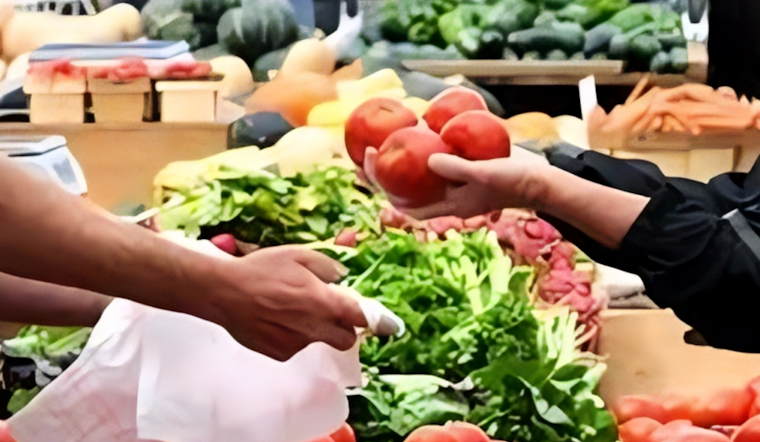
As Denver sits halfway through its ambitious Food Vision 2030, the city's efforts to overhaul its food system are becoming noticeable, more kids are eating well, new gardens are growing, and public agencies are putting local, sustainable food on the menu. The city has poured a significant $67 million into multiple initiatives and the recent Denver Department of Public Health & Environment (DDPHE) progress report indicates that 95% of their laid-out strategies are either in full swing or nearing completion, a promising sign for the plan, which aims for a more resilient and equitable food system by 2030.
A key highlight has been the Healthy Food for Denver’s Kids (HFDK) initiative, which, according to the City and County of Denver, directs over $66 million to nutrition programs. The funding goes to more than 90 nonprofits, and schools to support healthier diets for Denver’s youth, particularly in underserved areas. Denver Mayor Mike Johnston expressed pride in the city's achievements, stating, "I am proud of the work from city agencies to lay the foundation for a more equitable food system that creates a healthier, more vibrant Denver."
Meanwhile, the Food in Communities initiative is making inroads towards creating what they call Complete Food Environments, ensuring all residents have access to essential food resources. The DDPHE report highlights the support this program has given to food access projects across 69% of the recommended locations within certain neighborhood plans. In a city striving against food insecurity, offering technical assistance and funding backed by active community engagement is a significant chess move in this strategic game of public health and urban planning.
Urban agriculture has also seen a boost through the Denver Food Vision, with Denver Public Schools now managing 125 school gardens, supporting a future generation well-versed in sustainable food production. Additionally, residential food growth efforts have been bolstered through new permitting processes, over a thousand permits are now facilitating the citizens to raise food-producing animals and sell fresh produce, opening up various avenues for an increasingly self-reliant community.
Furthermore, the Good Food Purchasing Program (GFPP) is redefining how public institutions handle food procurement, with a firm focus on local sourcing, fair labor practices, and ecological stewardship. Practical steps, like the Denver Sheriff’s Department collaborating with local farmers and food hubs to source food, demonstrate the program's tangible outcomes.
Yet, despite these advancements, food insecurity remains a grim reality for many in Denver, with a notable 15% of residents unable to reliably access affordable, healthy food. The highest levels of insecurity were found among those earning less than $24,000 per year, the unemployed, and young adults aged 18-24, as detailed by the City and County of Denver.
As Denver forges ahead with its Food Vision 2030, the DDPHE is already looking towards the horizon. Early 2025 will see the city redoubling its community engagement efforts, to refine its approach and ensure that the last leg of the marathon towards 2030 keeps up the pace, adapts to evolving community needs, and aspires to bridge the gap between vision and reality. Reflecting on both the achievements and challenges laid out, Denver is charting a conscious and collaborative course through the complexities of urban food politics.




