

























































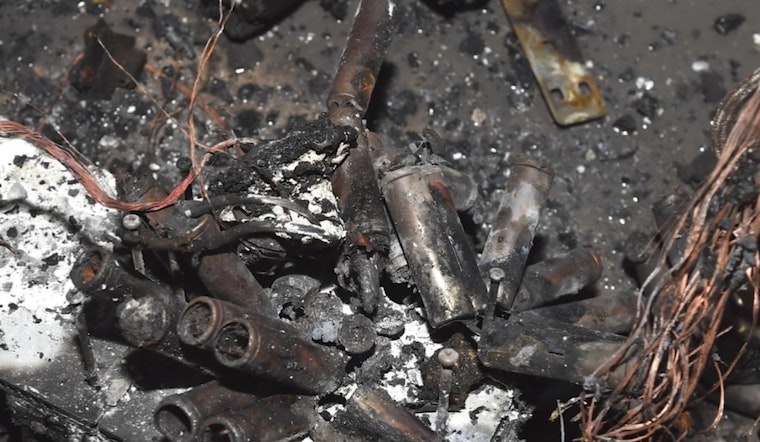
The FDNY is intensifying efforts to address the growing threat of lithium-ion battery fires, which have caused 171 fires in 2024 so far. These fires, often linked to e-bikes and electric scooters, have resulted in 59 injuries and three deaths, including Indian journalist Fazil Khan, according to FOX 5 New York.
Despite efforts to crack down on uncertified and dangerous lithium-ion batteries, loopholes remain that put the public at risk. E-commerce, in particular, has allowed unscrupulous sellers to offer uncertified batteries, some with fake safety markings. CBS News discovered batteries advertised as UL-certified that were not. Dr. Robert Slone from UL Solutions highlighted the severity of the issue, stating, "It's a very serious issue because it places the public at risk. There's no assurance that that product has actually been tested or seen at all."
Fire officials warn that dangers arise not just from uncertified batteries but also from misuse and improper charging or disposal. In just 48 hours, these batteries caused two major fires—one in Brooklyn that left 31 people homeless and another on a barge in Queens. The FDNY's "Take Charge" campaign stresses the importance of educating the public on proper battery usage and safety to prevent such incidents, as per FOX 5 New York.
The FDNY's awareness efforts have helped reduce fatalities compared to last year. FDNY Commissioner Robert Tucker said, "It's a top priority of mine and a top priority of the department," in an interview with CBS News. Stricter regulations on e-bike batteries have led to violations being issued to several sellers. An Amazon spokesperson responded to safety concerns, saying, "We strive to ensure all products offered in our store comply with applicable laws, regulations and Amazon policies—including NYC Local Law 39. We ensure our selection meets industry-accepted standards, and we develop innovative tools to prevent the sale of unsafe products. We continuously monitor our store, and if we discover a product was undetected by our automated checks, we address the issue immediately and refine our controls. We take action to maintain a safe selection for our customers, including removing noncompliant products, and outreach to sellers, manufacturers, and government agencies, such as DCWP, for additional information, when appropriate."
Officials advise the public to check for UL holographic stickers to certify battery safety but caution about counterfeit labels. After a deadly fire in Queens last year, firefighters discovered a fake UL sticker on a charger.



