

























































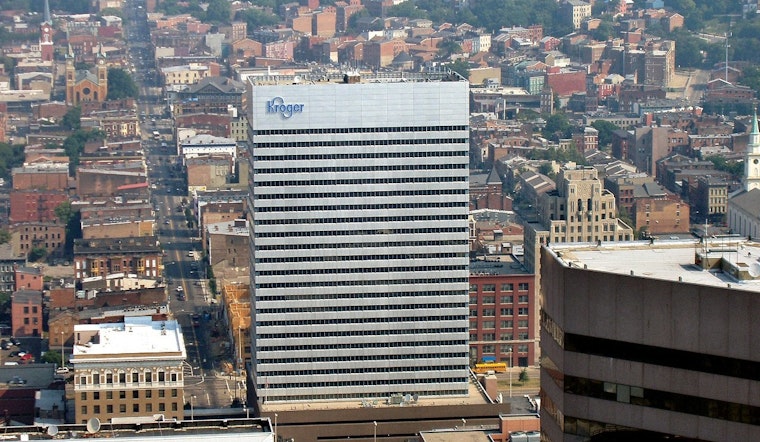
In a move to combat the opioid crisis, Illinois Attorney General Kwame Raoul announced that the state is set to receive over $40 million as part of a national settlement with Kroger, according to a Chicago Sun-Times report. This forms a portion of the $1.37 billion that the grocery chain has agreed to pay in efforts to address its role in the widespread opioid problem. Raoul's office stated that the majority of this sum will fund drug abatement programs through the Illinois Remediation Fund.
As attempts to hold entities accountable continue, Raoul remarked, "This settlement ensures Kroger is held accountable and allows resources to reach communities hardest hit by this ongoing opioid crisis that continues to affect all corners of America." It was noted in the settlement that Kroger would not admit to any wrongdoing. Yet, a Kroger spokesperson confirmed the finalization of this agreement is meant to "deliver over $1.2 billion in support of opioid abatement efforts nationwide." This comes at a time when Cook County had witnessed a spike in opioid-related deaths, with 1,821 recorded in 2023 alone, a slight decrease from the prior year's record.
In similar strides made by Attorney General Josh Stein, North Carolina has finalized its part of the Kroger settlement, set to receive $40 million as well, as mentioned in a WECT report. Stein was an active leader in the negotiations which involved prosecutors from multiple states. The funds are intended to, said Stein, "help people stay alive, get treatment, and begin recovery."
Both settlements have mandated injunctive relief, requiring Kroger's pharmacies to monitor and report data related to suspicious opioid prescriptions. This regulatory action mirrors ongoing efforts to mitigate the fallout of the opioid epidemic. "Working to hold accountable the companies that created and fueled the opioid crisis in North Carolina has been a top priority," Stein told WECT, highlighting the aggressive stance taken against these corporate practices. Stein's efforts have culminated in securing over $1.4 billion for North Carolina, aiming to significantly bolster local government resources to address the fallout from opioid abuse.




