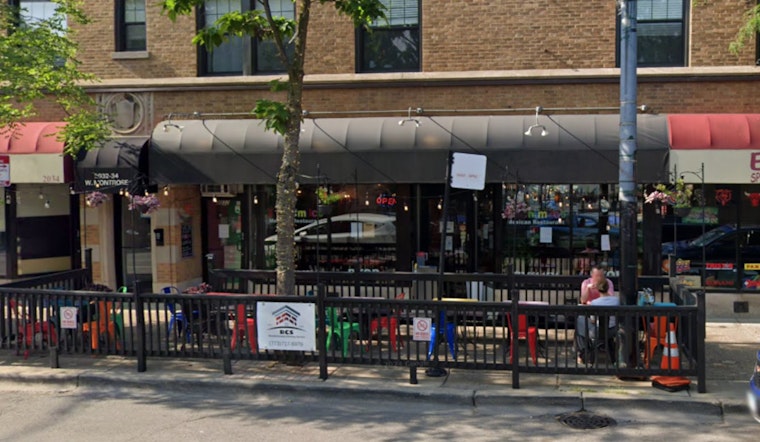
It's the end of an era for a slice of Lincoln Square and Ravenswood, where residents in the 9th precinct of the 47th ward have voted to lift a 117-year-old prohibition on alcohol. Nearly 85% of voters opted to abolish the long-standing ban, making way for local businesses to finally compete on equal footing with surrounding establishments in terms of serving liquor. According to The Chicago Sun-Times, the antiquated prohibition was initially put in place back in 1907, carving out a dry patch in the bustling North Side neighborhood.
This referendum comes as a triumph, particularly for Lucia Herrejon, owner of XOchimilco Mexican Restaurant, who spearheaded the campaign after her restaurant was denied a liquor license. "We are very grateful for everyone’s support, and we are thrilled for this new chapter," Herrejon said in a statement obtained by the Sun-Times, emphasizing the economic boon that the ability to sell alcohol presents for her restaurant, and acts as a buffer through the slow months, ensuring a steady paycheck for everyone involved.
The results from Tuesday's ballot not only affect existing businesses like XOchimilco and the planned Small Cheval at 2156 W. Montrose Ave. but also address a disparity that had long placed local establishments at a disadvantage against their competitors. Ald. Matt Martin (47th) had previously described the lifting of the ban as "long overdue," pointing out the dramatic changes the neighborhood and society have witnessed in the last century, as covered by the Sun-Times.
According to a Block Club Chicago report, the neighborhood's journey to ditch its "dry" status has historical roots dating back to a failed venture by Adolphus Busch and an orchestrated push led by W.R. Bentley, a local affluent resident and show pugs breeder, who swayed the neighborhood back in the early 1900s. "It was a lot of hard work, knocking on doors,” Herrejon said, according to the interview conducted by Block Club Chicago, highlighting the community effort taken to bring about this change.
The end of the prohibition comes as a significant development in Lincoln Square and Ravenswood's local commerce and culture, with a hope for increased traffic to the area's businesses and a newfound embrace of shared community enjoyment. The alteration in policy serves as a testament to the residents' desire to shape their neighborhood's destiny and adapt to modern economic demands put forward by the local entrepreneurs who believe the "outdated law is holding back businesses and limiting our neighborhood’s collective growth," a sentiment echoed by the local community's businesses.