

























































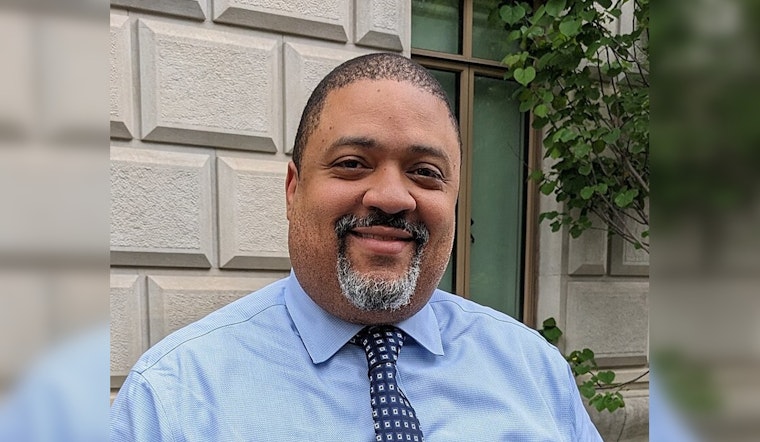
Manhattan District Attorney Alvin Bragg, despite a tenure marked by criticism and contentious policies, is poised for likely re-election with no clear Democratic challenger emerging ahead of the primary, while his handling of high-profile cases continues to polarize opinion. According to a New York Post report, critics have lambasted Bragg's approach as being too lenient on certain crimes, drawing parallels with recently ousted prosecutors in other traditionally liberal jurisdictions such as San Francisco and Los Angeles, suggesting a shift in voter sentiments on crime and punishment.
Bragg's record includes directives to reduce prosecution for some misdemeanor cases and to minimize bail and prison time, which have contributed to a 16.9% rise in reported felony crimes in Manhattan since he took office; concurrently, his office notes a decrease in shootings and murders, positioning these as indicative of his successful policies, according to statements by his campaign spokesman Richard Fife obtained by the New York Post, trends that seem to support conflicting narratives around public safety and criminal justice in New York City.
In a separate but related development, former President Donald J. Trump, recently re-elected, is seeking to reverse his Manhattan criminal conviction for falsifying records in a case that predates his presidency, leveraging the momentum of his electoral win to call into question the legitimacy and continuity of his prior conviction, as detailed in a New York Times piece. The case has entered a temporary standstill, with the prosecution acknowledging the "unprecedented circumstances" spurred by Trump's election win and the complexities it entails for the judicial process.
Embarking on what is dubbed an "uncertain legal maelstrom" by Mark C. Zauderer, a veteran New York litigator speaking to the New York Times, Bragg faces the challenging decision of proceeding with Trump's conviction which could stoke the tension with the incoming administration, or dismissing the case and risking political fallout from his voter base, in the wake of a decisive Supreme Court ruling granting broad immunity to official presidential acts, the policy's relevance to state-prosecuted cases notwithstanding remains an unwieldy knot awaiting detangling by the courts or punt further down, a potential tableau of justice on hold until the political winds shift once more.





.jpg)