

























































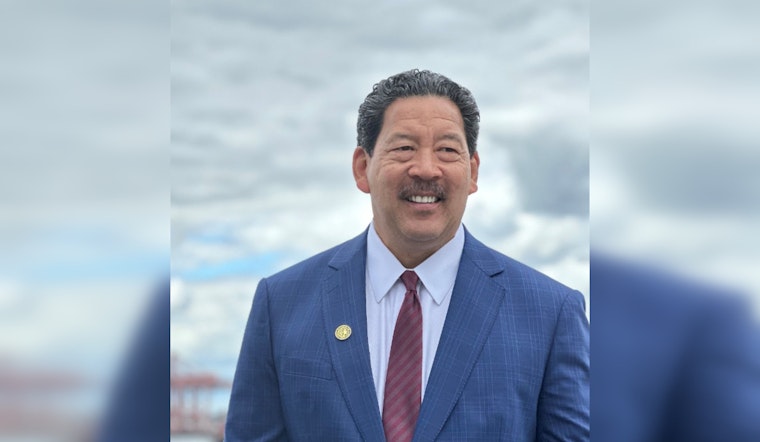
In a push to bolster public safety and health in the Emerald City's public spaces, Mayor Bruce Harrell announced a new executive order outlining a multifaceted approach to dealing with the issues plaguing Seattle streets. According to the Seattle Office of the Mayor, the executive order highlights legislation and sets in motion a grand scheme that incorporates a pilot Downtown Activation Team (DAT) among its key strategies.
Mayor Harrell's decree is based on the success of initial DAT operations, which began on 3rd Avenue downtown. These operations reported a 27% decline in violent crime, a 14% drop in emergency service calls, and a 30% reduction in emergency medical responses compared to the previous year's statistics. The pilot program is part of the broader One Seattle Restoration Framework, which aims to address the root causes of crime and improve emergency response.
"Public safety is our highest priority – the One Seattle Restoration Framework defines the outcomes we aim to achieve and the vision to get us there," Mayor Harrell stated in his official release. The mayor's vision revolves around a synergy of "compassion and collaboration" and draws on "community input." These guiding principles are already showing tangible results.
Interdepartmental coordination is a hallmark of the DAT, with nearly 15 city departments working together on cleaning, safety operations, and connecting individuals to needed services. The effort also includes targeted enforcement actions against disruptive cycling behavior, with a dual focus on infrastructural restoration and proactive community solutions. As per the Seattle Office of the Mayor, the program's scope extends beyond downtown to the Chinatown-International District (CID) and Little Saigon, deploying what they call Scheduled Restoration Actions to maintain and uplift these key neighborhoods.
This comprehensive strategy recognizes that safety can’t be siloed into a single department’s purview—it must be embedded across the entire city’s operations. With strategies focusing on gun violence reduction, high-impact crime prevention, efficient 9-1-1 responses, and measures to address the opioid crisis, it integrates public health and safety efforts. By acknowledging the early results from the Downtown Activation Team, the city is resolute: Seattle aims for safe, secure, and vibrant neighborhoods.
Community and city leaders alike have voiced support for the initiative. "The Seattle Police Department is excited with the early results of this very successful collaborative strategy to make the streets of Seattle safer for everyone," Interim Police Chief Sue Rahr told the Mayor's office. Moreover, in a similar nod to the program's early success and potential for positive impact, business owners such as Jamila Conley of WeRise Wines lauded the mayor’s intent to integrate small businesses into the larger vision for Seattle's revitalization.
To support the ongoing pilot project and bolster its objectives, two ordinances are set to be introduced to the City Council. These aim at disrupting retail thefts and enhancing public space maintenance while also offering further support and protections to city employees engaged in the mission to restore Seattle. The legislation touches upon the wider issue of keeping public spaces accessible and relieved of public health and safety concerns.
For more details on the Downtown Activation Team and the One Seattle Restoration Framework, readers can visit the Restoration Framework site, where they'll find data informing the city's approach and progress on key metrics, in compliance with the grand vision Mayor Harrell is pursuing for Seattle’s well-being.





