

























































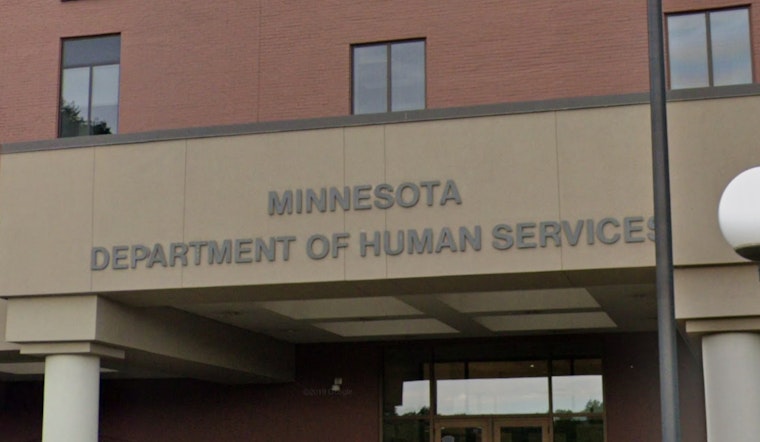
As Minnesota navigates the choppy waters of health care reform, the Aging and Adult Services Division (AASD) and Disability Services Division (DSD) are paddling hard to keep all parties informed. Their latest weekly update, a no-nonsense bulletin, zeroes in on the transition from Personal Care Assistance (PCA) and Consumer Support Grant (CSG) to Community First Services and Supports (CFSS). As of October 1st, beneficiaries, families, and providers are ushered into the new system, promised to be chronicled with "regular updates early in the transition," according to the bulletin released by DHS.
Shifting focus to the policy wonks, DHS also waved a flag about recent changes in the Community-Based Services Manual (CBSM) this October. It seems that lead agency staff and anyone with a vested interest ought to keep an eye out for the "summary of updates," which might sound as dry as dust but could spell significant changes in how services roll out on the ground. Anytime such updates are published, their arrival is heralded in the department’s weekly communiqué.
But even the best of routines break for vital announcements. Just last week, Minnesota’s DHS broadcasted a new chapter in its Assisted Living Report Card. Come November 15, and residents were served with a fresh "New ratings for Assisted Living Report Card." Fast on the heels of that, November 18 unveiled a different plea for attention, with the DHS seeking the public's chorus of comments on a "home and community-based services (HCBS) evidentiary package."
For those attuned to the sometimes-static-filled channels of government communication, these weekly updates are a lifeline to not just surviving but thriving within the ever-evolving matrix of services. Ensuring that no voice is left out, these invitations to comment and rate turn what could be a one-sided conversation into a dialogue, ideally leading to better outcomes for the Minnesota community. Everyone interested in these changes can tether themselves to the latest news by visiting the AASD/DSD website.





