

























































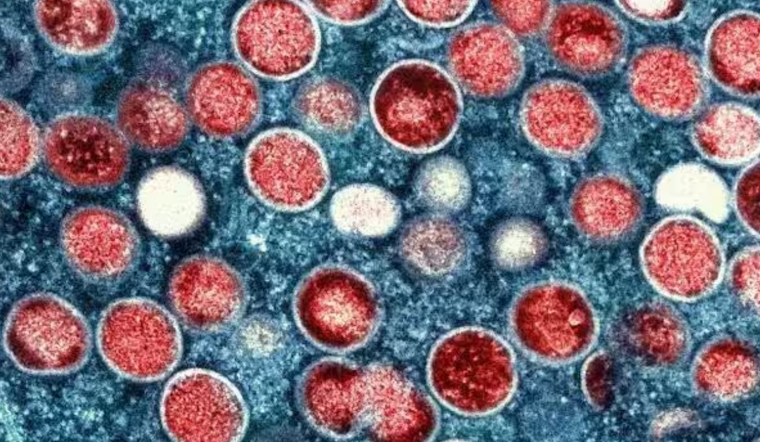
The California Department of Public Health (CDPH) and San Mateo County Health are sounding the alarm over a new strain of mpox detected in the state. A case of the clade I strain, recently arrived from Central and Eastern Africa, marks the first such diagnosis on U.S. soil, as the California Department of Public Health (CDPH) reported. Unlike the clade II mpox strain circulating domestically since 2022, clade I has been historically associated with more severe symptoms. Still, with the patient snug in isolation at home and doing well, health authorities are tracking down anyone who might have had close contact.
While the appearance of clade I mpox on U.S. shores is noteworthy, garnered through travel, the infected individual has been recovering at home without much drama. According to San Mateo County Health, “While clade I may be new to the United States, we and other counties have been responding to mpox since 2022 with contact tracing, guidance and vaccine support,” stated Dr. Kismet Baldwin-Santana, San Mateo County Health Officer. She stressed, "There is no concern or evidence that mpox clade I is currently spreading among individuals in San Mateo County or elsewhere in the United States."
The response from health officials has been measured and vigilant. Due to their symptoms and travel from a region with known outbreaks, the infected individual sought care promptly in San Mateo County. Public health workers are reaching out proactively to close contacts, even with no signs of broader transmission, to keep tabs on the situation and abate any potential spread. Mpox, regardless of strain, is typically transmitted through close, skin-to-skin, intimate, or sexual contact, making casual interactions like those in public spaces much less risky for hosting the virus’s unwelcome advances.
Preventive measures remain the clarion call from the CDPH, urging those with risk factors to consider vaccination and adopt precautions if exposed. Particularly, “taking precautions if you were exposed to mpox,” including getting vaccinated before symptoms arise and perhaps holding off on intimate contact for three weeks, as well as “avoiding skin-to-skin contact with those who have a rash or sores that look like mpox,” the CDPH advocates on their website.
For more detailed guidance and to quell any lingering concerns, Californians are encouraged to visit the CDC website or the CDPH’s official statement, which includes precautions for travelers. Helpful information can also be found on the CDPH’s Sexual Health Toolkits and Campaign Materials Page, where the tools exist not just for preventing the spread of mpox but also for engaging in healthier sexual practices across the board.





