

























































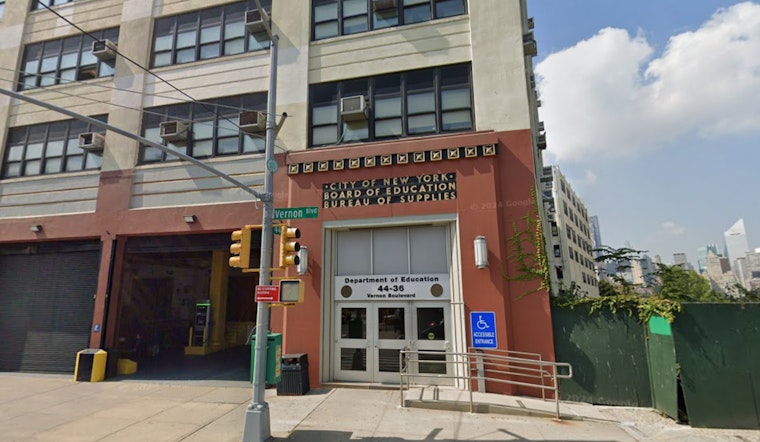
In a move that has stirred up debate, New York City public schools with lower enrollment than predicted will not suffer mid-year budget cuts. Chalkbeat reported that the city's Department of Education decided to maintain funding for schools that didn’t meet enrollment projections, thereby protecting around 50% of the city’s public schools from a combined cut of $157 million. On the flip side, schools with an enrollment surplus are set to receive an additional $146 million.
"As our schools continue to serve our students, our top priority is to ensure that every school leader has the resources and supports to carry out their school’s mission and put our children on a path to lifelong success," Schools Chancellor Melissa Aviles-Ramos said, according to Chalkbeat. This decision has been likened to a pandemic-era policy, where schools were held "harmless" from budget cuts despite declining numbers. This marked a shift from the past year, where actual enrollment figures prompted mid-year financial adjustments.
Critics, however, are sounding alarms over the potential implications of reinstating this "hold harmless" policy. Eric Nadelstern, former deputy chancellor for instruction at the DOE, expressed strong disapproval. "The school system is structured to reward failure and penalize success and this 'hold harmless' provision is a prime example. It rewards failure instead of penalizing it," Nadelstern told The Post. This sentiment underscores a wider concern that the policy could inadvertently incentivize low performance.
Additionally, the decision has been dissected through a political lens. Ken Girardin from the Empire Center for Public Policy argued that "hold harmless" doesn't necessarily protect the interests of students or taxpayers, but upholds a status quo favoring current school system beneficiaries. "This is a political decision, not a scientific one," Girardin told The Post, further advocating for a funding model where public money follows the child instead of propping up the existing school system architecture.
Hank Sheinkopf, a campaign strategist, analyzed the implications for Mayor Eric Adams, who is reportedly navigating low approval ratings and a series of legal and political challenges. "When you're in trouble, you can't afford to make enemies," Sheinkopf pointedly commented to The Post. He interprets the decision to forego budget cuts as a tactical maneuver to curry favor with the educators and unions.





