

























































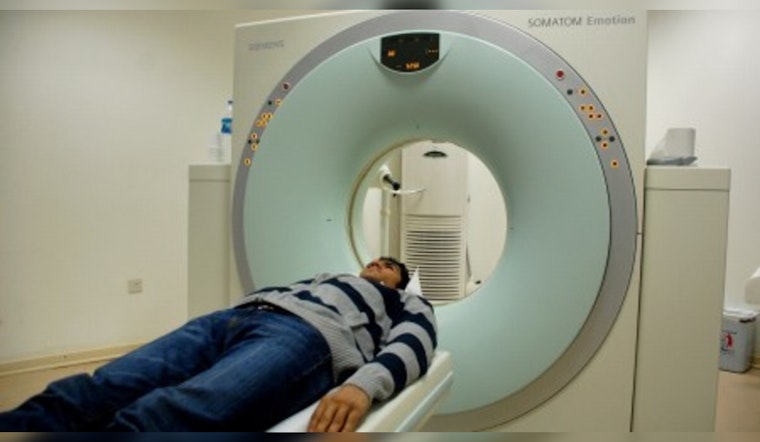
In the midst of Lung Cancer Awareness Month, the spotlight turns to the crucial issue of lung health, especially for smokers and ex-smokers. Dr. Antoine Harb, a medical oncologist and hematologist from the Start Center for Cancer Care in San Antonio, has a clear message: annual lung checks could be life-saving. In a statement obtained by KSAT, Dr. Harb emphasized the importance of a low-dose CAT scan to catch lung cancer early, a step he believes is essential for those with a smoking history.
With an approximate 240,000 lung cancer diagnoses in the country last year, as Dr. Harb reported, the disease remains a major health threat. Lung cancer takes various forms, but the two principal types reported by Internewscast include non-small cell lung cancer (NSCLC) and small cell lung cancer (SCLC), with the former accounting for 80% to 85% of cases. NSCLC is further divided into adenocarcinoma, squamous cell carcinoma, and large cell carcinoma. ”We have to remember that about 10% of lung cancers happen in nonsmokers,“ Dr. Harb reminded, signaling that even non-smokers should remain vigilant.
The risks of smoking are well-documented, with a striking 90% of men and over 84% of women with lung cancer having a history of smoking, according to data cited by Dr. Harb. Symptom awareness is equally critical as persistent cough, shortness of breath, chest pain, among other symptoms, can signal the onset of lung cancer, potentially leading to a dire diagnosis if left unchecked. "About 50% of the patients that we see at our center are diagnosed in Stage 4, unfortunately," Dr. Harb told KSAT.
When it comes to dealing with lung cancer, the approach to treatment is contingent on the stage at which it is caught. A range of options from radiation, chemotherapy, to surgery are employed, with pneumonectomy, lobectomy, and segmentectomy/wedge resection being the mentioned surgical procedures. Dr. Harb additionally noted that surgeons strive for less invasive methods that carry a reduced risk of complications. The underlining preventative measure, however, remains in the hands of the individuals at risk: a constant dialogue with healthcare providers and a commitment to yearly screenings. Harb urges, "If I could send a message to every current smoker or previous smoker, please talk to your primary care providers about getting a CAT scan every year," a sentiment he shared with Internewscast.





