

























































Following a significant settlement agreement spurred by a dangerous gas leak explosion in Chandler, Arizona, Southwest Gas is poised to take robust measures to improve pipeline safety, impacting residents and businesses in the Valley. The explosion, which occurred at a strip mall and caused severe injuries to four people, has led Southwest Gas to commit to replacing almost 1,000 miles of piping, reported FOX10 Phoenix.
"It was a shock—a complete devastation," said Tom Ryan, a trial attorney for Platinum Printing. He added, "Metal was bent, doors were sent flying 200 feet, it was just an incredible, shocking sight. And I’m still amazed today—that as badly as they were burned—that he lived to tell about it," about his clients' experiences during the explosion. The consent agreement, which culminated from an intensive investigation, establishes a timeframe within which degraded piping needs to be removed, as well as enforced patrols, and carries a hefty civil fine. As reported by FOX10 Phoenix.
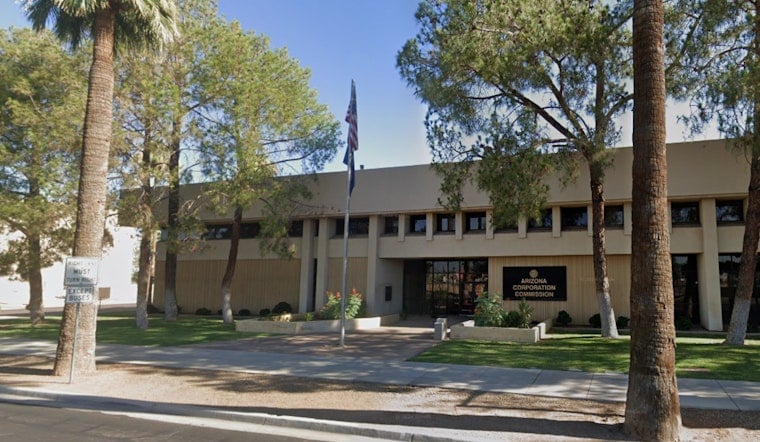
Details of the consent decree revealed by the Office of Pipeline Safety – part of the Arizona Corporation Commission, and acknowledged by ABC15 – indicate that Southwest Gas will not only pay more than $2 million in civil penalties but also expand expedited pipe removals. Affected pipes found in the hotter regions of the state are expected to be replaced or abandoned within six months, a timeline that may extend up to 12 months in other areas of Arizona.
Dillon Ryan, a survivor of the Chandler explosion and co-owner of Platinum Printing, which never reopened after the blast, said, "I was happy to hear that." Reflecting on the Arizona Corporation Commission's ruling, Ryan also told ABC15, "I think the ACC ruling puts this a step in the right direction that we are finding ways to diminish and mitigate issues like this from ever happening again." Despite these new measures, substantial challenges remain: over 10,000 miles of Driscopipe 8000, a type prone to degradation under Arizona's scorching heat, are still in operation across the state.
Southwest Gas has acknowledged the gravity of the situation and its ongoing responsibility. "Southwest Gas worked closely with the Arizona Corporation Commission’s Office of Pipeline Safety during its investigation of the incidents in Scottsdale and Chandler to identify root causes and opportunities to enhance the safety, service, and reliability of our infrastructure in the State of Arizona," the utility company expressed in a statement obtained by FOX10 Phoenix.





