

























































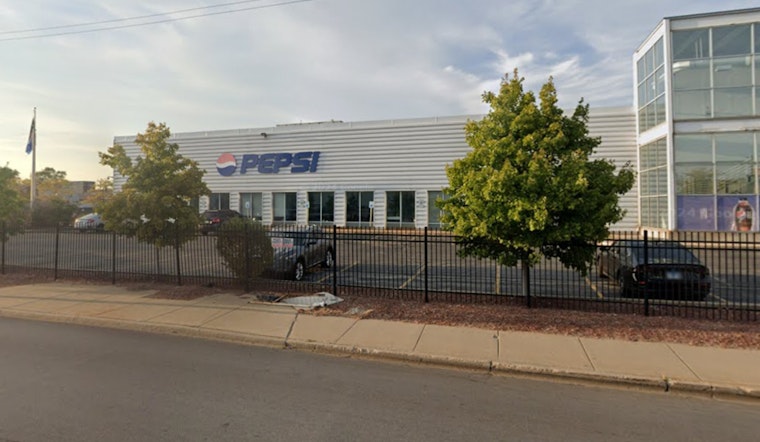
The unexpected closure of a PepsiCo warehouse in Chicago has spurred a legal battle, with Teamsters Local 727 taking the beverage giant to court. According to ABC7 Chicago, the shutdown occurred last week without prior warning, leaving employees at a loss upon arriving for their typical workday. The union has accused PepsiCo of violating the Worker Adjustment and Retraining Notification (WARN) Act which demands employers provide at least 60 days' notice prior to plant closures or mass layoffs.
Located at 650 W. 51st St., the facility's abrupt closure affected over 200 employees, many of whom were reportedly unaware of the impending shutdown. In the words of the union representatives, the closure reflects an "unlawful intent to close" the facility. As stated by CBS News, beyond the failure to provide notice, the union's lawsuit also alleges that PepsiCo has not adequately compensated workers with their severance package, neglecting to calculate overtime and other benefits duly owed.
PepsiCo, however, counters the union's claims. The company issued a statement emphasizing its adherence to legal mandates, claiming, "Complying with WARN, employees will be paid and continue to receive benefits as set forth in the collective bargaining agreement for 60 days. Employees will not be required to work during this 60-day period." This statement, sourced from CBS News, amplifies the company's stance that it has not acted unlawfully.
The lawsuit by Teamsters Local 727 was filed in federal court. The crux of the union's argument is that the WARN Act has been breached, which mandates a buffer phase for employees facing a sudden job loss. With the plant's closure leaving many veteran workers, some with over four decades of service, empty-handed, the case seems poised to test the strength of worker protection laws like WARN. Neither side has yet to blink in the unfolding legal confrontation over the plant's closure.




