

























































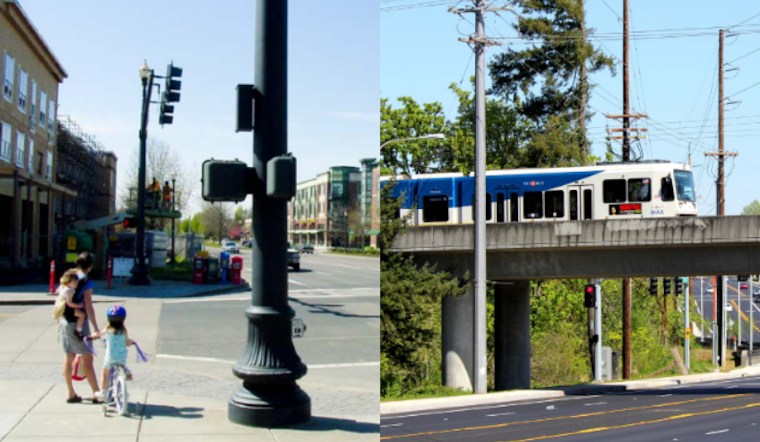
Washington County is on the move to make its streets more friendly for cyclists and pedestrians. With a new $300,000 grant from the Transportation and Growth Management (TGM) program, the county plans to bring its Transportation System Plan into the next era of urban mobility. This project, according to a recent announcement, aims to create a transportation system that is safe and accessible for community members regardless of age and ability.
The grant will allow the county to update its plan with models and strategies for better walkways and bikeways, especially focusing on neighborhood connections to essential services like public transport and schools. Given the increasing need for sustainable urban planning, the revision includes consolidation of bicycle facility guidelines, such as the Bicycle Facility Design Toolkit. Also, in a maintenance plan aimed at enhancing the lifecycle of infrastructure, the need for equipment and staff will be clarified for the maintenance of quality pedestrian and bicycle facilities.
Key elements of the update will involve detailed designs for protected bicycle lanes and trails to integrate these features into the standards that guide road design and construction in the county. These enhancements are seen as a crucial step towards a more interconnected and inclusive transportation network in Washington County.
Support for the initiative comes from a broad coalition, including the cities of Beaverton, Hillsboro, Tigard, and Tualatin, alongside regional and community organizations such as Metro, Tualatin Hills Parks & Recreation District, and advocacy groups like Oregon Walks and WashCo Bikes. Proving the collaborative effort, the project aims to reflect the shared goals of a diverse group of stakeholders vested in the region's mobility and environmental health. This collaboration signifies a push toward an integrated future where active transportation is a cornerstone of community planning.
As part of a larger statewide effort to expand transportation choices for Oregonians, the TGM initiative is run by a partnership between the Oregon Department of Transportation (ODOT) and the Department of Land Conservation and Development (DLCD). This update is positioned as one cog in the wheel of progress, setting the stage for the county's more comprehensive 2026 TSP update.





-4.webp?w=160&h=400&fit=crop&crop=edges)