

























































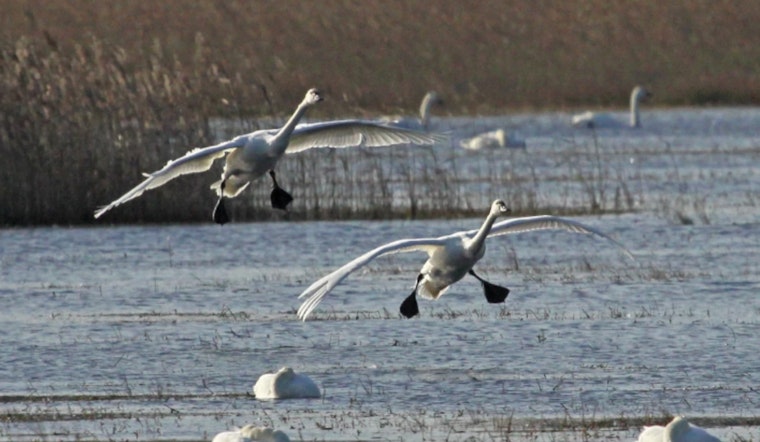
The skies of Skagit, Snohomish, and Whatcom counties are set to become testing grounds for a new technological approach in wildlife monitoring as the Washington Department of Fish and Wildlife (WDFW) introduces drones to survey populations of swans and geese. This move, stretching from this October until December 2026, brings WDFW staff, who hold FAA Small Unmanned Aircraft System Remote Pilot certifications, to pilot these drones while adhering to both federal and departmental regulations. The primary aim is to capture detailed imagery of the waterfowl to improve the WDFW's capacity for tracking bird numbers, identifying age classes, and collecting other relevant data, according to a statement released by the department.
These drone operations will be concentrated on WDFW-managed lands, although the department has stated it will seek approval from other landowners if surveys extend beyond these territories, this innovative approach emerges as WDFW seeks more accurate methods compared to traditional ground counts, with WDFW waterfowl section manager Kyle Spragens detailing over 115,000 migratory birds tallied in earlier counts. “Overwintering geese and swans are especially numerous in the lower river valleys of the North Puget Sound Region, with more than 100,000 snow geese and 15,000 swans estimated in early 2023 counts,” Spragens highlighted the predicted efficiency gains and safety improvements that drones could offer over low-flying aircraft currently used in wildlife surveys.
Concerns about potential disturbances to wildlife and interference with public use of the areas, including those engaged in waterfowl hunting, are being taken into consideration; flights are to be scheduled based on favorable weather conditions and periods when the presence of birds is confirmed. The WDFW has assured that pilots will keep drones within their line of sight to minimize disturbances and will readily ground the aircraft if conditions are deemed unsafe or irresponsible for flight, signaling a commitment to conducting this initiative without significant public impact or area closures.
The Washington Department of Fish and Wildlife, which works to preserve, protect, and perpetuate fish, wildlife, and ecosystems while providing sustainable recreational and commercial opportunities, is stepping into a new phase of environmental stewardship with these drone surveys. With proper implementation, this technology may set a new standard for population monitoring, allowing for a balance between human recreation and wildlife conservation in the dynamic ecosystems of Washington state.





