

























































In a shift towards sustainability, Arizona is now regulating the conversion of treated wastewater to drinking water, as reported by ABC15. This approach is to address the critical water scarcity issues the state faces. Comprehensive filtration and monitoring will be required, ensuring the processed water aligns with federal drinking water standards before it flows through public systems.
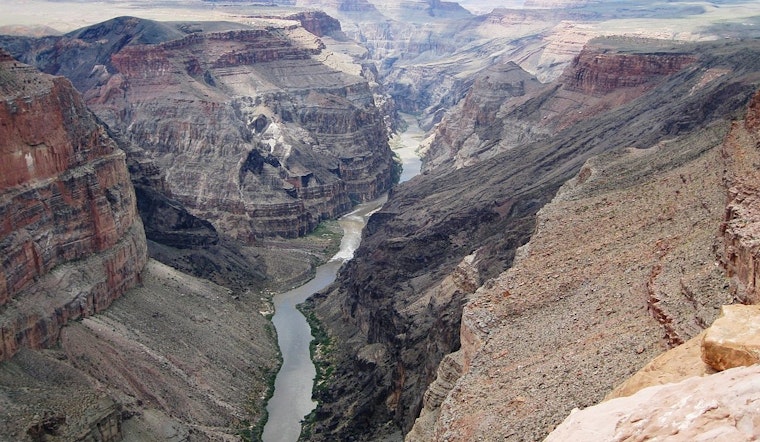
Despite the official confidence in this plan, a survey by the Arizona Department of Environmental Quality found lingering public doubts, approximately a quarter of respondents question the safety of this new source of water, a hesitation permeated by a distinct "yuck" factor. Meanwhile, understanding the state's water is essential, as detailed by Arizona Environment. Arizona primarily relies on groundwater, accounting for 41% of its water supply. The Colorado River plays a significant role, too, bringing in 36% of the water, yet it faces difficulties such as reduced flow due to climate change and legal complexities.
These new regulations in Arizona emerge amidst negotiations on water management ahead of 2026, when new rules to govern the use of the Colorado River will be implemented. With the Colorado River under strain, direct potable reuse (DPR) of reclaimed water is being considered a promising path forward. Arizona, which lifted the ban on DPR in 2023, aims to incorporate this technique into its water strategy, potentially increasing the 5% of its water supply currently sourced from reclaimed water.
Groundwater continues to be the backbone of Arizona's water, yet it's crucial to find sustainable approaches given that it replenishes far slower than it's consumed. Innovative water management, like the 1980 Arizona Groundwater Code, has lead to recovery in tapped-out aquifers according to Arizona Environment, but more direct action—in the form of recycling wastewater into potable water—is quickly becoming a frontline strategy to combat the persisting droughts and water supply concerns. What this translates to in terms of public acceptance and successful implementation, remains to be seen.
On an individual scale, actions such as adopting desert landscaping and fixing household leaks can make an impact according to environmental experts. Those keen on evaluating their own water footprint can utilize resources like online water usage calculators, aiding in the collective push towards water conservation amidst an evolving landscape of water sourcing and management.


.jpg)