

























































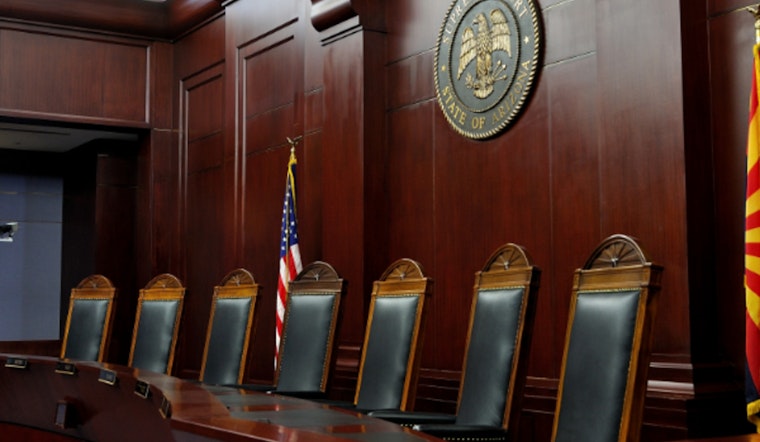
The wheels of justice are set to turn a bit differently in Arizona, where the state's Supreme Court has solidified updates to its attorney complaint processes. These newly ratified rules aim to streamline how allegations of attorney misconduct are pursued and ensure that proceedings are fair for all parties concerned.
As part of a permanent amendment to Supreme Court Rule 53, a narrowed list of individuals are now designated as "complainants" in cases regarding attorney improprieties. This list includes clients of the involved attorney, persons with direct knowledge of the alleged wrongdoing, and judicial officers who have chanced upon such conduct through their official roles. Those not falling within these categories, however, can still report potential misconduct. In these instances, the State Bar of Arizona is poised to step forward and actively investigate, and possibly to pursue the case, as they would with any other substantiated complaint.
The changes, which sprang from a petition submitted in April of this year and enacted on an emergency basis by August, were recounted in a recent news release. The Supreme Court of Arizona took the chance to sensibly reevaluate public inputs on legal oversight just before cementing the amendments in its December Rules Agenda.
"This rule helps the State Bar handle complaints more effectively and efficiently while respecting everyone's rights," Chief Justice Ann Timmer stated, according to a news release by the Arizona Supreme Court. Despite these revisions, the obligation for attorneys to report violations they encounter remains unchanged, as does the public's capacity to bring attention to questionable conduct. This suggests that while the gatekeeping for formal complaints may have tightened, transparency and ethical obligations continue loudly to resonate within Arizona's legal framework.





