

























































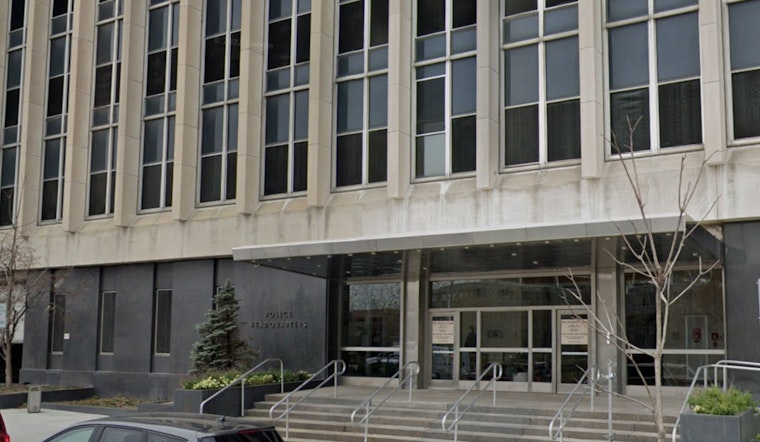
As the curtains draw on 2024, the Indianapolis Metropolitan Police Department's Mobile Crisis Assistance Team (MCAT) takes stock of its burgeoning role in mental health support across the city. The year saw more than 2,700 calls to which MCAT responded, revealing a rising community reliance on the program for de-escalating mental health crises effectively and compassionately. With seven teams, each comprising an IMPD officer and an Eskenazi clinician, the unit has forged a novel framework for handling sensitive cases that traditional police methods may not suit. FOX 59 provides a snapshot of the team's philosophy through IMPD Major Tabatha McLemore: "We’re able to help everybody."
In an arrangement designed to connect with community members, families in distress can expect more than a mere police presence, learning that an officer in a full gear and a clinician diagnosis along could provide an extra layer of reassurance and support, according to IMPD Maj. Tabatha McLemore in her talks with WRTV. Despite the remarkable progress and promising outcomes, the service currently operates only Monday through Friday during working hours, which stirs concerns among advocates who are keenly aware that mental health crises are not confined to business schedules.
The echo of community voices seeking round-the-clock availability is palpable. David Greene Sr., President of the Concerned Clergy of Indianapolis, intimated to FOX 59 the growing necessity of such services, emphasizing the urgency of deploying these resources across the entirety of Marion County, at any given hour. However, expanding availability hangs in the balance, tethered to the practical challenges of hiring mental health experts willing to work atypical hours and IMPD's ability to follow up on situations they miss, McLemore added.
Nonetheless, the significance of MCAT's presence is not lost on Indianapolis. After all, its officers have revisited approximately 1,000 homes for follow-up visits on mental health calls this year. But the profound impact of such engagements eludes quantification, as McLemore told WRTV, underscoring how such interventions "probably never be able to really truly put a number on" their importance.
Meanwhile, systemic limitations continue to curb expansion hopes despite the evident need; the template necessitates an Eskenazi clinician alongside the police officer, and according to McLemore in an interview with WISH-TV, "Without our clinicians through Eskenazi, MCAT doesn't work."
Entering 2025, IMPD's collective ambition gravitates towards universal accessibility and awareness. The aim is to bolster public understanding of how the unit functions and continue offering the best care possible within existing constraints. Those in need of nonviolent crisis intervention are encouraged to dial the 988 national crisis line for support, as McLemore elaborated, directing a lifeline to mental health professionals prepared to offer immediate assistance. The continuing collaboration with Indianapolis Office of Public Health & Safety's Clinician-Led Community Response team, which operates 24/7 in select districts and is set to expand, further marks the city's commitment to enhancing its mental health crisis infrastructure.





