

























































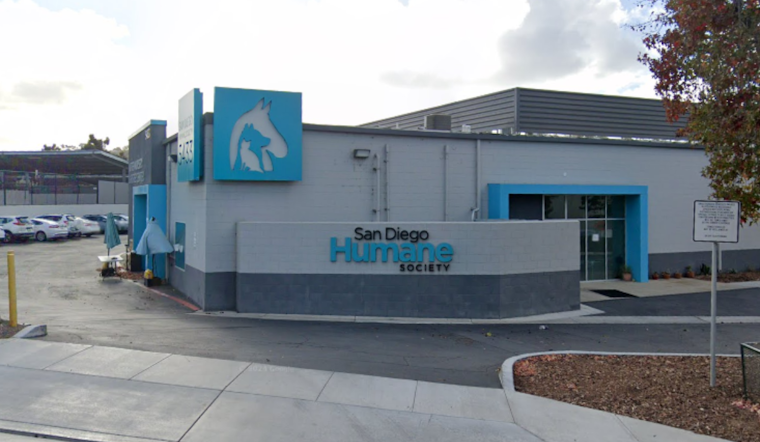
After a grueling six-month rehabilitation, a young female mountain lion was successfully rewilded in San Bernardino County. She was treated by the San Diego Humane Society’s Ramona Wildlife Center and released on Nov. 20, sporting a new satellite GPS collar to track her progress in the wild, reports the San Diego Humane Society.
The mountain lion was in dire straits when she was first brought to the center on May 30, severely emaciated, frail, and suffering from what appeared to be an animal attack in Yucca Valley. Despite her condition, the care team's intervention made a pivotal difference. A statement by the Wildlife Operations Manager at the center, Autumn Nelson, highlighted her remarkable turnaround, "We did not know if this mountain lion was going to make it at first because she was so debilitated." Nelson also expressed the center's relief and satisfaction at the cat's recovery, "Remarkably, against all odds, according to the San Diego Humane Society, she gained the necessary weight and became strong enough to return home, which is the goal for every patient who enters our care."
During her recovery, the mountain lion was monitored from a distance with trail cameras, ensuring she remained undisturbed by human interaction to maintain her wild instincts, crucial for her survival post-release as an apex predator. Project Wildlife's team followed her journey from receiving emergency medical care—comprising pain medication, antibiotics, and treatment for her wounds—to regaining sufficient strength with keen interest and care.
Annual initiatives by the San Diego Humane Society's Project Wildlife program mark a significant effort in animal rehabilitation and conservation education. Their Ramona Campus, operational since 2020, has been at the forefront of providing care to over 10,000 injured, orphaned, and sick wild animals each year. Specialized in handling native apex predators and birds of prey, such as hawks, owls, eagles, coyotes, bears, bobcats, and occasionally with special permissions, mountain lions, the facility holds an esteemed place in the conservation landscape.
The successful reintroduction of this young mountain lion into her natural habitat reflects the efficacy and dedication of wildlife rehabilitation centers in nurturing and salvaging the lives of vulnerable creatures, ensuring their rightful place in the ecosystem remains secure.



