

























































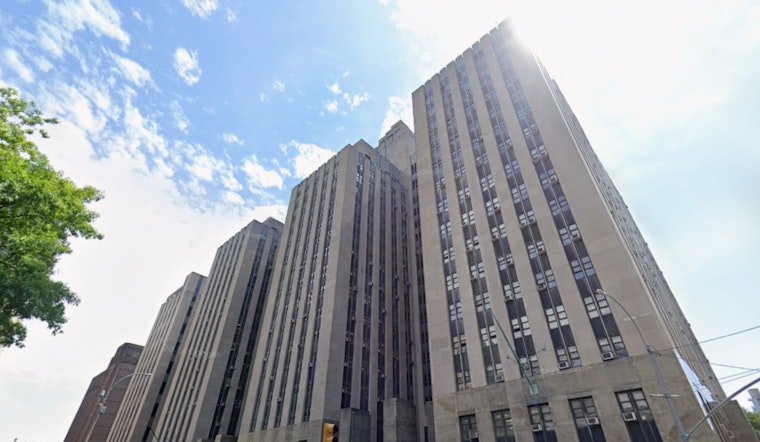
The jury deliberating in the trial of Daniel Penny, a Marine vet accused of manslaughter in the chokehold death of Jordan Neely on a Manhattan subway, has reported an impasse. The case, which has caught the attention of the city, hinges on whether Penny is guilty of second-degree manslaughter, a charge that suggests reckless action on his part, as noted by ABC7NY.
According to ABC7NY, the jurors must unanimously decide on the first count of second-degree manslaughter before considering the lesser charge of criminally negligent homicide, which has left them unable to reach a verdict, and Judge Maxwell Wiley offered an Allen charge aimed at encouraging the jury to continue their deliberations despite the deadlock, and facing the difficult task of parsing the intentions and actions of Penny under duress the jury finds itself at a crossroads, embodying the tensions of a society grappling with issues of vigilante justice and the rights of the mentally ill.
Neely, who was suffering from schizophrenia, had expressed threats of violence while on the train and Penny, claiming he was acting to subdue a clear threat, used a chokehold that later led to Neely's death; his drug use and criminal record further complicating the narrative for the jury to consider, this background combined with a spate of violent subway incidents in the preceding months forms the backdrop of a city on edge, reflected in the testimonies of witnesses like Ivette Rosario, a 19-year-old student who testified that Neely shouted someone would "die that day," encapsulating the fear and urgency of the moment.
The jurors' difficulty in reaching a consensus reflects the broader societal challenges in evaluating self-defense versus reckless endangerment, especially within the chaotic confines of the subway, and Penny, who remained at the scene and cooperated with NYPD detectives, faces up to 15 years in prison on the more serious charge if convicted, according to Fox News. The outcome hinges now not on the immediacy of that perilous subway confrontation alone but on how a jury interprets the confluence of fear, mental health, and the right to public safety."





