

























































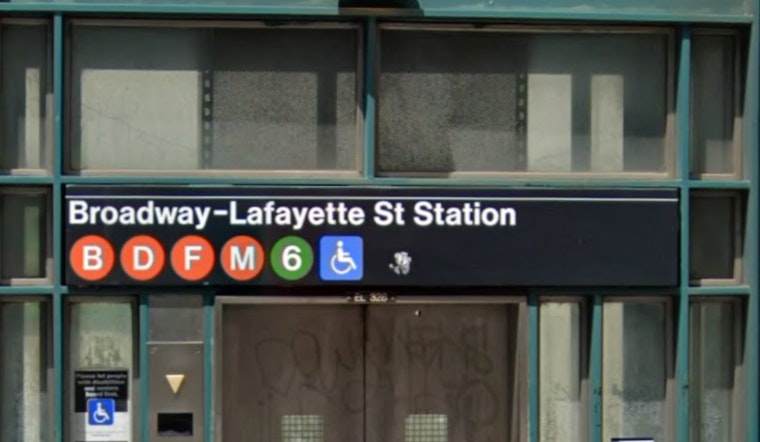
The trial of Daniel Penny, a former Marine accused of choking a mentally ill homeless man, Jordan Neely, on a Manhattan F train last year, has seen a second-degree manslaughter charge dropped after the jury reported a deadlock. The decision to dismiss the charge came after jurors were unable to reach a unanimous decision, despite an Allen charge from Judge Maxwell Wiley intended to prompt jurors to harmonize their views and come to an agreement. The jury will now concentrate solely on the second charge of criminally negligent homicide, as reported by FOX 5 Atlanta.
Reactions to the trial's proceedings have been fervent, with Hawk Newsome, the controversial leader of New York's Black Lives Matter chapter, claiming outside the courthouse that racial bias played a role in the jury's deadlock. In a report from the Daily Mail, Newsome stated, "Logically, if you pick a white supremacist jury specialist, and you pack a jury with white people, obviously you think race has a specific role in this case, and obviously you are looking for that one white supremacist hold out." Newsome's comments have sparked further debate on social platforms, with a user named Matthew Nichol suggesting that protests led by Newsome were attempts to intimidate the jurors, gathering 14,000 likes on the post.
The video evidence, showing the six-minute confrontation between Penny and Neely, was revisited during deliberations. Further adding to the controversy, Newsome told the Daily Mail that "Racism has its tentacles all over this case and all over the minds of white America," explicitly framing the encounter and subsequent trial as issues deeply rooted in racial disparity. Meanwhile, Penny's defense maintains that their client was merely defending himself and other passengers from a perceived threat.
As to what comes next, prosecutors once had to begrudgingly accept the dismissal of the top charge of manslaughter after two notes from the jury indicated a stalemate, leaving the lesser charge of criminally negligent homicide to be deliberated upon. If the jury finds Penny guilty of this charge, while there is no mandatory minimum sentence, the former Marine could still face significantly stringent penalties, potentially up to 15 years in prison as reported by FOX 5 Atlanta. The outcome may profoundly speak to the balance between personal defense and accountability in the use of force, in a city persistently grappling with the relations between community members, and the protectors among them.





