

























































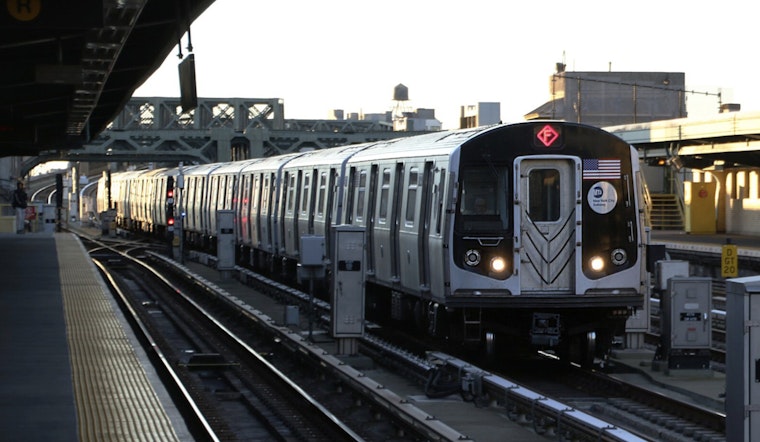
The incident on a New York City F train where a woman was set ablaze while she slept has resulted in the arrest of Sebastian Zapeta, with prosecutors alleging that he not only initiated the fatal fire but also vigorously stirred the flames with a shirt. As reported by CBS News New York, Zapeta, 33, is facing charges including first- and second-degree murder and arson after the attack in Coney Island, Brooklyn.
Without the chance to post bail, Zapeta remains in custody. During a recent court appearance, he wore a white Tyvek suit and was represented by an attorney who declined to comment post-arrangement, as detailed by Gothamist. Surveillance footage from the newly-installed cameras in the subway has helped authorities piece together the events leading up to the woman's death. Officials noted the woman, whose identity has not yet been revealed, died from her burn injuries and smoke inhalation, according to the medical examiner.
The estrangement between Zapeta and the victim was emphasized by police claims that they were not acquainted, suggesting a seemingly random act of violence that has since ignited a renewed dialogue on subway safety and undocumented immigration. Zapeta, originally hailing from Guatemala, has been identified as an undocumented immigrant who was previously deported in 2018 and had since re-entered the United States, a fact confirmed by authorities.
Zapeta's legal future seems to precariously hang in the balance, with the case potentially leading to severe legal repercussions or eventual deportation. "His immigration status has no bearing on how the criminal system is going to play out," said Camille Mackler, founder and executive director of Immigrant ARC, in an interview with Gothamist.
Immigration and Customs Enforcement (ICE) has signaled their intention to lodge an immigration detainer against Zapeta, which according to ICE facilitates the transfer of an immigrant in custody rather than releasing them back into the community. However, it remains unclear whether the New York Police Department will cooperate with ICE's request before any conviction. This raises questions about whether Zapeta, if convicted, will serve his sentence in the United States or face deportation.





