

























































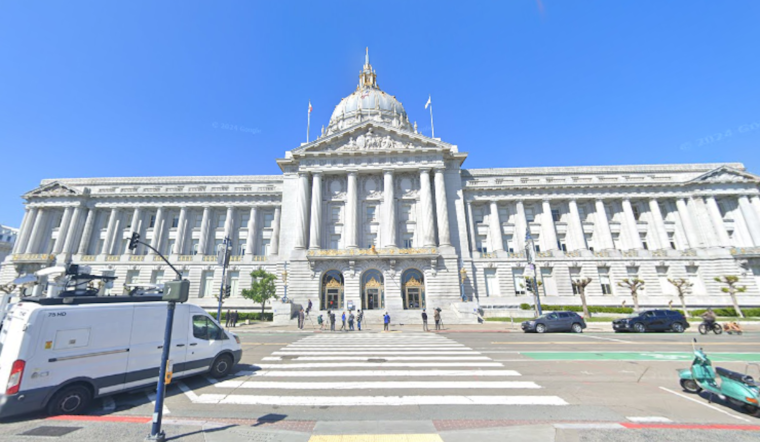
San Francisco is wrestling with the legal complications of its homelessness policies following recent court developments. A lawsuit against the city about handling homeless encampments has been largely dismissed by Judge Donna Ryu, who ruled against the Coalition on Homelessness on multiple fronts. According to the City Attorney's official statement, individual plaintiffs were found to lack standing as they are currently housed, and the Coalition itself does not have the organizational standing required to bring forth such claims.
David Chiu, the City Attorney, hailed the judge's order as a step toward resolution, saying, as per the San Francisco City Attorney's Office, "These folks were not harmed by the City, and the risk of future harm is extremely remote since there are no time restrictions on their housing placements." The court's decision aligns with a recent Supreme Court ruling in City of Grants Pass, Oregon v. Johnson, which decided that generally applicable laws regulating camping on public property do not equate to "cruel and unusual punishment" under the Eighth Amendment, further narrowing the lawsuit's scope. However, parts of the case concerning the Fourth Amendment are still active, with the city required to adhere to a bag-and-tag policy for handling the possessions of unhoused people.
Taking action at a federal level, City Attorney Chiu has filed an amicus brief with the U.S. Supreme Court, aiming to overturn a decision by the Ninth Circuit that has significantly impacted the city’s ability to address the issues posed by homeless encampments. As Hoodline reports, Chiu calls the current legal stance a “misinterpretation” of the Eighth Amendment, leading to a judicial impasse that complicates providing compassionate solutions to homelessness.





