

























































The City Council of Vancouver has charted a fiscal course for the next two years with the recent adoption of its 2025-26 biennial budget. As reported on December 10th by the city's update, the budget, which totals approximately $2.1 billion, earmarks $1.5 billion for operating expenses and $600 million for capital projects. In the announcement, the city underscored the budget's alignment with its Strategic Plan, addressing key areas like community safety and climate action through dedicated funding streams.
Public participation played a distinct role in shaping the budget, as indicated by the feedback from community surveys and interactive tools. A new Business and Occupation Tax on retail, set to commence in 2026, is expected to directly finance the creation of a new bridge shelter to address homelessness issues that have challenged Vancouver. Moreover, a newly established Cultural Access Sales Tax will foster student engagement with cultural activities, alongside bolstering Vancouver's arts scene through the Vancouver Culture, Arts and Heritage Program. "We balanced the budget with targeted reductions, ongoing revenues, available cash resources and new revenue," the city explained, highlighting multifaceted fiscal strategies designed to maintain financial equilibrium.
Investment in infrastructure underpins a significant segment of the capital budget, featuring notable projects such as the Waterfront Gateway public plaza, The Heights Loop and Plaza, and streetscape developments. The capital improvement roster also includes upgrades to police and fire facilities and the deployment of a PFAS treatment system, ensuring essential city services remain robust and responsive. An interactive dashboard allows residents to explore the finer details of these capital endeavors.
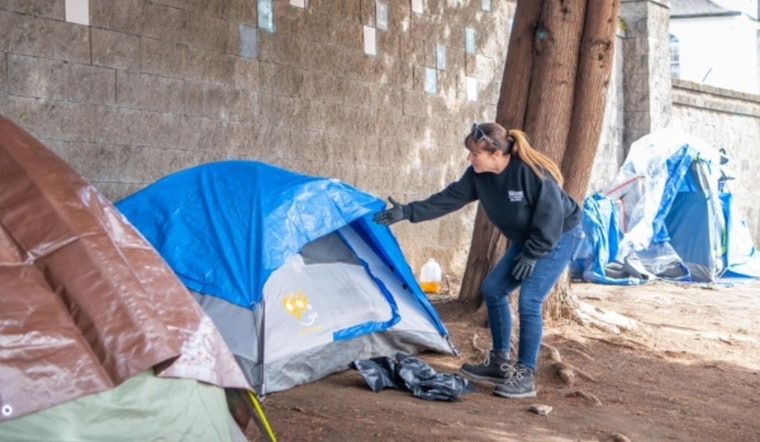
With winter's chill already setting upon Vancouver, the municipality has responded by opening emergency shelters, as part of an extended strategy underpinning the City's Homeless Emergency Declaration issued in November 2023. These temporary shelters will remain operational until March 2025, fulfilling a critical need for those without stable housing during the severe weather months. Prospects for a more sustainable solution are on the horizon, with the city poised to open a bridge shelter by mid-2026 that aims to be an intermediary haven aiding individuals in the transition to permanent homes.



