

























































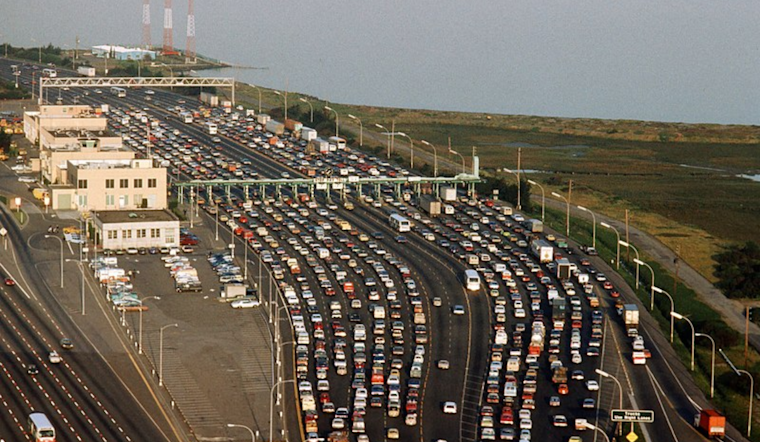
As the calendar turns to 2025, Bay Area commuters are digging deeper into their pockets with increased costs for bridge tolls and public transit fares. Starting today, a crossing over the Bay Bridge will cost an additional dollar, setting most drivers back $8 per trip. Simultaneously, BART and Muni riders face fare hikes, a financial adjustment felt across the region that's been tagged by the US Chamber of Commerce as the most expensive metro area for commuters.
BART fares have increased by 5.5%, bringing an average price increase of about 25 cents per ride. Muni isn't far behind, with prices for a single ride climbing to $2.75 from the previous $2.50. As reported by SFGate, this uptick comes after BART and the San Francisco Municipal Transportation Agency cite inflationary pressures and the need to improve service quality and infrastructure as primary reasons behind the changes.
Ron Ewing, a case manager for the San Francisco Housing Authority, told CBS News Bay Area, "I drive there every day and $8 a day, I don't look forward to paying to go to my job." Echoing the sentiments of many commuters, he questions the increasing toll costs in an era where automated systems have replaced human tollbooth operators.
While fare and toll increases can undeniably strain the wallet, proponents argue these changes are setting to benefit the transit system and its users directly. Adina Levin, executive director of Seamless Bay Area, highlighted to CBS News Bay Area that the postponed fare hikes during COVID are now necessary to help bridge massive budget shortfalls and enhance service reliability. Despite the hit to personal finances, some consider the fare and toll hikes necessary to ensure the longevity and efficacy of the Bay Area's transit offerings.
Additionally, the Clipper START program, which offers low-income travelers a 50% discount, remains untouched amidst the increases, a relief for those most financially vulnerable. As BART endeavors to further address fare evasion through newer, taller gates, a project begun in December 2023, as detailed by SFGate.





.jpg)