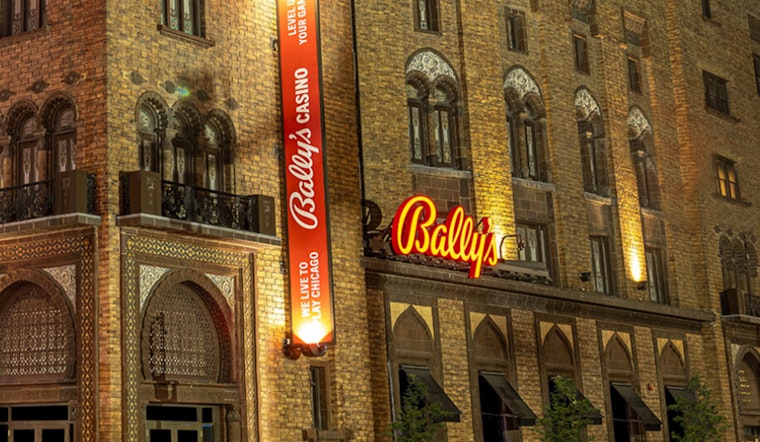
A legal storm is brewing over Bally's Chicago casino project with the Illinois Gaming Board, and the city itself is caught in the crosshairs. At the heart of the conflict is a $250 million IPO strictly available to minority groups and women as part of a Host Community Agreement (HCA) entered with the city. As reported by the Chicago Sun-Times, a conservative group, the American Alliance for Equal Rights, together with two white Texans, have filed a lawsuit against Bally's, accusing them of racial discrimination for excluding white men from this investment opportunity.
The HCA was designed to comply with a 2019 state law that mandated a diversity ownership quota in the new gambling establishments, with 25% of Bally's Chicago required to be owned by individuals and businesses from diverse backgrounds. This portion of shares is expected to help fund the construction of the new facility, an injection for a dilapidated economy to desperately hope to revive and emerge triumphant from the ashes of industrial decay. Bally's responded to the suit by affirming their compliance with the HCA, reinforcing that the IPO aligns with their obligations to the city.
However, the lawsuit puts not just Bally's but the city of Chicago on the defensive, with plaintiffs arguing they are being "excluded from the table solely based on immutable characteristics," according to a statement obtained by the New York Post. Moreover, Bally's prospectus highlighted that the program might attract lawsuits from those not meeting the minority requirement, suggesting a prescience of legal encounters to possibly even jeopardize their casino license. It appears this casino game is playing out in the legal arena where the rules are bereft of chance and luck, and the house does not always win.
The legal say claiming racial discrimination doesn't just arrive from activist groups. Chicago attorney Patrick Callahan, per an interview with Fox News Digital, attempted to invest in the casino but was turned away when he didn't meet the Class A Qualification Criteria due to his race and gender, stating, "It's so blatantly discriminatory, I can't imagine how that could possibly be permissible." The reverberations of this legal challenge threaten to shake Bally's financial foundations and muddy the waters of Chicago's planned economic resurgence. A dark cloud seemingly hangs over 777 W. Chicago Ave, where the future casino will reside, perhaps symbolic of the shadow of socio-political challenges the city continues to face.