

























































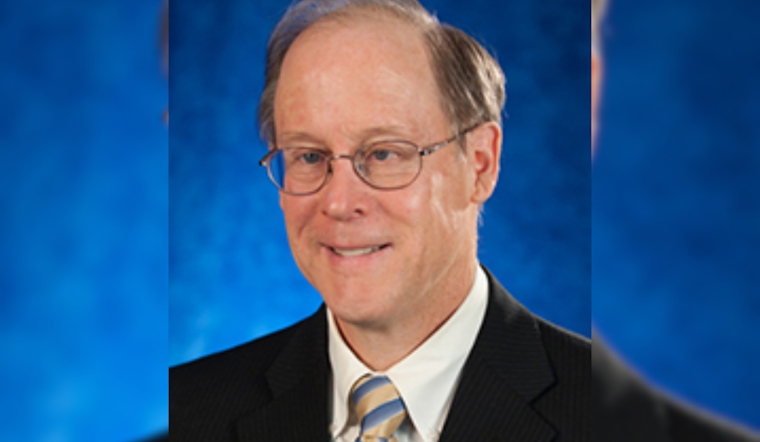
Cuyahoga County's political landscape is reshaping under the guidance of its newly elected Council President, Dale Miller. As one of his first acts in office, Miller has named the chairs of the council's standing committees for the 2025-2026 term. These appointments are key in shaping and steering the policy direction for one of Ohio's most populous counties.
In his statement, Miller emphasized the importance of utilizing the council's members to their full potential, "Committee assignments are designed to take full advantage of the strength of our veteran members and put our new members into immediate leadership positions based on their interests and skill sets." According to Cuyahoga County, this approach is intended to strike a balance between experience and fresh perspectives within the county's legislative workings.
Among the changes announced, Councilman Michael J. Houser, Sr. will take the helm of the Community Development & Housing Committee, which has also shifted its meeting time to 9:30 a.m. Other key appointments include Councilman Robert Schleper, Jr., overseeing Council Operations, Information Technology & Public Transportation, and Councilwoman Meredith M. Turner, in charge of Finance & Budgeting. The full list of committee chairs was made public early today, along with information about committee roles and schedules, and is available on the Cuyahoga County website.
These committee chairs are essential in managing the county's various functions, from economic development to environmental sustainability. They are responsible for guiding legislative reviews, investigating county operations, and making informed recommendations to the council at large. Council rules mandate that the president appoints the chair, vice-chair, and members of all standing committees no later than the second regular meeting of the legislative term following the organizational meeting. With these appointments set, Miller and his team are poised to delve into the work.
Cuyahoga County aims to continue its ongoing efforts in regional improvement and governance through effective committee leadership. The council president's selections reflect a strategic alignment of talents and expertise that promise a concerted push towards well-grounded legislative action in the heart of the Great Lakes region.





