

























































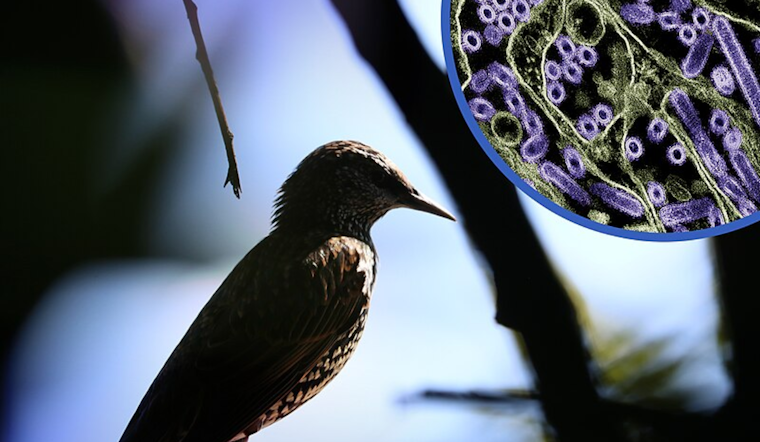
The H5N1 bird flu is making its rounds, not just among the wild bird population, but also affecting poultry and, yes, U.S. dairy cows, with confirmed cases right here in Colorado. The Denver Department of Public Health & Environment (DDPHE) has been on top of the situation, keeping an eye on developments and they assure us that for now, the risk to the general public remains low.
Bird flu, or avian influenza, crops up primarily in birds, but don’t let your guard down too quickly because these flu strains have a knack for jumping across species, a leap that’s not just for Olympians, with affected cows marking a major red flag right in the U.S. According to DDPHE, this flu can hitch a ride through various means, bird saliva, nasal secretions, even feces, which is why they strongly suggest giving a wide berth to any bird droppings you encounter on your daily jaunt.
Whether you're out with your pet or finding your center in a park, if you cross paths with bird poop, DDPHE's message is clear: don’t touch, and wash up well after. The ideal way to handle bird droppings involves a shovel, "pooper scooper," or the all-important gloves, however, never bare hands, and while it's crucial to keep those hands clean after any such encounters, do make an effort to warn kiddos about the potential risks after they play outside.





