

























































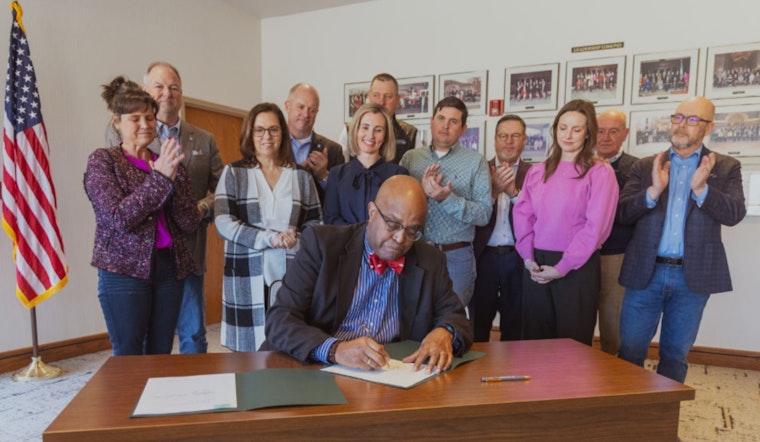
In a move towards rectifying past injustices embedded in property documents, Edmond Mayor Darrell Davis has signed off on the removal of an illegal discriminatory restrictive covenant. This action, which took place on Tuesday, marks a significant legislative achievement, with Oklahoma enacting a new state law that came into effect on November 1, 2024, enabling such changes, as reported by the City of Edmond.
According to a statement from the City of Edmond, this shift was made possible through a collaborative effort stretching over two years. Partnerships were formed, and laws were changed to address the unconstitutional and unenforceable discriminatory language that had lingered in community documents for decades. The first successful change, HB2288, allowed property owners to repudiate this language by filing declarations with their county clerk, influenced by a case that brought these issues to light in Edmond.
Further legislative progression occurred in 2024, leading to the amending of SB1617. The bill, by extending power to municipalities, granted them the authorization to excise discriminatory language from existing plat documents. Consequently, the 1909 Highland Park Addition plat, replete with a variety of residential and commercial structures including medical facilities and the Edmond Chamber of Commerce, was chosen to be the first to have the outdated covenant removed, as stated by the City of Edmond.
The removal ceremony, held at the Chamber of Commerce, was more than just a formality—it represented a step towards acknowledging and correcting the vestiges of segregation and discrimination etched into legal records. Mayor Davis's actions, alongside those of city representatives, the Oklahoma Association of Realtors, and state lawmakers such as Sen. Kristen Thompson and Rep. John Pfeiffer, set in motion the amendment of an additional 19 plat documents in Edmond. The original plat area, a rich tapestry of community life, was correspondent to the diverse nature of the City of Edmond it serves today.
This remedial initiative garnered support from varied quarters including municipal officials, city staff, CSS Partners, the Edmond Historical Society and Museum, and numerous state legislators. As expressed in the City of Edmond's announcement, the collective effort underscores a communal commitment to reject the exclusionary practices of the past and align the fabric of local law with the principles of equity and justice.




