

























































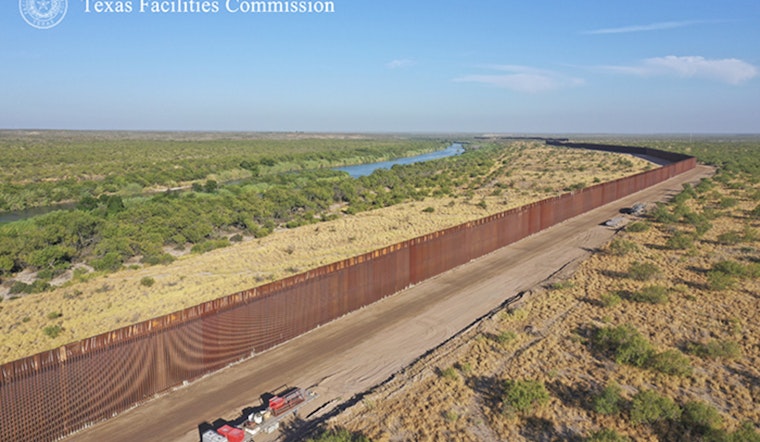
In a recent development that underscores the ongoing contention over the U.S.-Mexico border wall, a federal Texas judge has ruled that the Biden administration cannot sell materials intended for border wall construction, nor can it repurpose funds allocated by Congress for other uses. According to CBS Austin, the lawsuit, initiated by Texas and Missouri in 2021, has lead to a decision that will outlast President Biden's term.
The crux of the dispute revolved around listings on the surplus website GovPlanet, where border wall segments were to be auctioned off. Prompt action by the Attorneys General of both states halted further sales after some pieces had already been disposed of. "We have successfully blocked the Biden Administration from disposing of any further border wall materials before President Trump takes office," Texas Attorney General Ken Paxton pronounced, a sentiment echoed in celebratory terms by the President-elect on social media.
As the political arena clashes on the subject of immigration and border security, Mexico's government is taking pragmatic action by creating a smartphone application slated for a January launch. The app, likened to a "panic button," enables Mexican citizens in the U.S. to alert family members and the nearest Mexican consulate in case of detention risk, as reported by News 4 San Antonio. The technology emerges against the backdrop of the incoming Trump administration's pledge to intensify immigration enforcement.
Within Texas, a separate but related issue has been spotlighted: the increasing recruitment of the state's youth in human smuggling operations. A range of data from the Office of Court Administration reveals that close to half of those arrested for smuggling were between the ages of 17 and 26. The majority of these individuals, 72.6% to be precise, held United States citizenship, with a significant representation from cities like Houston and San Antonio. In a statement obtained by News 4 San Antonio, criminal defense attorney Shannon Locke observed, "These kids are about 16 to 21. They think that they're going to get away with it. This is an incredibly difficult scheme to pull off."
The layering of these recent events paints a complex tableau of the challenges faced on both sides of the border, as governments wrestle with the implications of policy enforcements and the individuals affected navigate a landscape riddled with potential legal and personal peril.




