

























































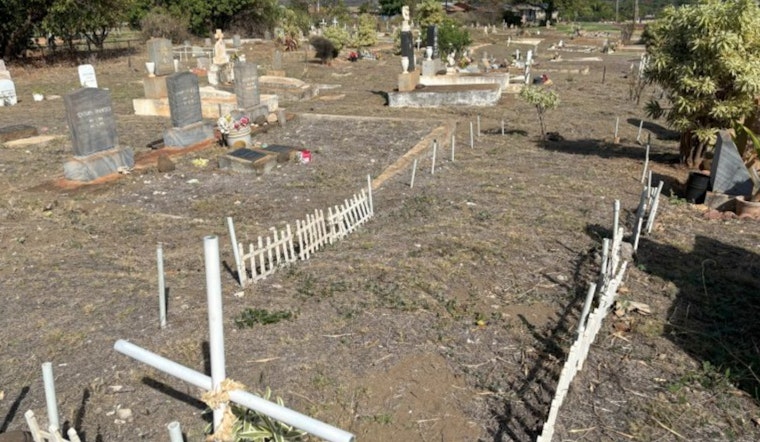
The State of Hawaiʻi has made strides in acknowledging a pivotal, albeit grim, chapter in the state's history with the selection of a site for the Battle of Hanapēpē Memorial. As reported by the State of Hawaiʻi Department of Accounting and General Services, the memorial will be situated at the entrance of the Hanapēpē Filipino Cemetery—a site that carries the weight of history where the strikers are buried in an undivided mass grave. The incident, dating back to 1924, marked a significant moment in the fight for labor rights when Filipino plantation workers clashed with law enforcement resulting in both loss of life and subsequent reform.
The tragic events transpired over a century ago when 16 Filipino strikers and four police officers were killed during a labor dispute. The proposed memorial, which will feature two concrete columns with a separating space, serves as a stark reminder of past struggles for reasonable wages and work conditions. Having selected a location, Governor Josh Green reflected on the significance of the site, remarking, "This was one of a series of strikes over decades, but out of this pain came progress in the labor movement. Because of these plantation workers’ sacrifices, powerful unions exist today to advocate for worker’s rights," he told DAGS.
In 1924, Filipino sugar plantation workers, primarily of Visayan descent, demanded an increase in pay from one to two dollars a day and a reduction in working hours from ten to eight hours daily. A standoff escalated on September 9, 1924, following the abduction of two Ilocano strikebreakers by the striking camp, leading to a confrontation with the sheriff and police, as documented by DAGS. The aftermath saw 20 people dead, over 100 arrests, and 58 strikers ultimately pleading guilty and being sentenced to four years in prison.
Speaking on the importance of memorializing such an event, DAGS Director Keith Regan said, "It is important to remember this key moment in our history. These workers fought and died for better pay and better working conditions. It’s because of them we can enjoy an eight-hour day, safe working conditions and fair labor practices." The shadow that the memorial’s columns will cast symbolizes the enduring memory of that dark chapter in labor history, added DAGS Kauaʻi District Office Program Manager Eric Agena when describing the design's intent as shared with DAGS. The plan is targeted to reach completion by late 2026, with committee members still working out the final details of the project.


