

























































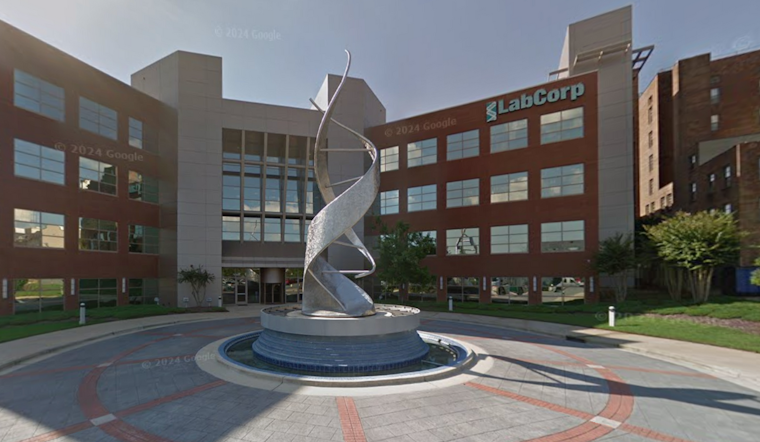
Healthcare giants LabCorp and University Health System have settled to the tune of $388,667 to close the case on purported violations of the False Claims Act. A move that uncovers layers of alleged deceit in the billing practices for certain lab tests, the Justice Department reported. This agreement resolves accusations that, in an attempt to wrongfully bill Medicare, the organizations postponed doctor's orders for Caris Life Sciences laboratory tests until after a specific 14-day window post-patient hospital discharge, thus circumventing established Medicare rules.
According to the Medicare "14-Day" Rule, laboratories are not to bill Medicare separately for tests ordered by a physician within 14 days following a patient's hospital stay; the charges should instead fall upon the hospital. The contention here is that LabCorp and University Health System intentionally delayed orders for tests or canceled and resubmitted them, ensuring they fell outside of the 14 days, to bill Medicare directly and in doing so, the entities are said to have deliberately handed in false claims for payment, it is not hard to discern the orchestration of a scheme that tread on laws meant to protect the integrity of our healthcare billing systems.
The implicated parties, which include LabCorp and its Tennessee operation alongside University Health System's University of Tennessee Medical Center, cooperated with the United States' inquiry into these allegations. Previous related proceedings saw Caris Life Sciences shelling out $2.8 million to settle allegations about similar misconduct but on a national scale. These settlements bring to light the potential breadth of healthcare billing misconduct and the remedies sought by the government to correct such actions.
UHS, not directly a party in the whistleblower lawsuit that set these events in motion, did participate in the settlement arising from allegations initially surfaced by whistleblower Kim Vo in the case United States ex rel. Kim Vo v. Caris Life Sciences, Inc. et al., No. 3:20-CV-509 (E.D. Tenn.). The resolution of this affair serves as a stark reminder of the government's vigilance in detecting healthcare fraud and the substantial role the False Claims Act plays; government officials and the public alike find in this act a robust tool to unearth and address inequities in the healthcare industry, especially as tips and complaints continue to pour in through channels like the HHS tip line, the announcement from the Justice Department highlights this ongoing commitment.
Diligent efforts by Assistant U.S. Attorneys Alexa Ortiz Hadley and Jeremy S. Dykes, along with contributions from the Department of Health and Human Services Office of Inspector General, were instrumental in bringing this affair to its conclusion. Moreover, the Department of Justice’s Civil Division’s Fraud Section, represented by Trial Attorney Robert C. K. Boyd, showcased the inter-agency collaboration fundamental to overseeing and preserving the integrity of healthcare practices, ensuring that entities adhere to their ethical and legal obligations, and when they falter, face the requisite corrective measures.





