

























































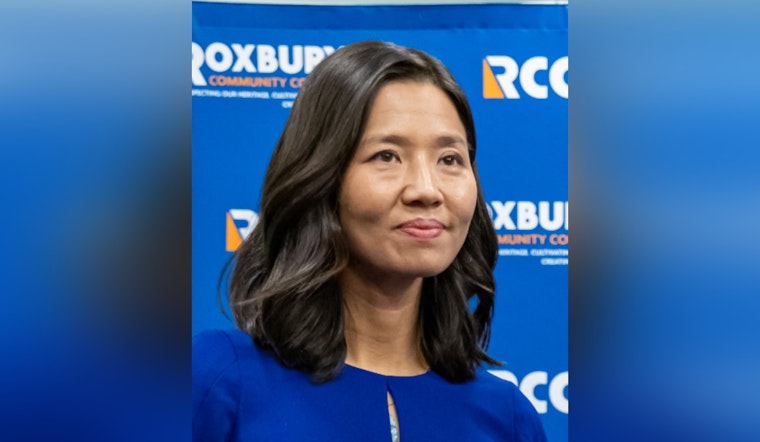
Mayor Michelle Wu has announced a $64.2 million investment to create and preserve 637 affordable housing units across Boston, targeting 12 mixed-income housing projects in eight neighborhoods. The funds will support housing for families, seniors, and individuals experiencing homelessness, while also working toward the city’s zero-emissions building goals. At the announcement, held at the Harvard Ed Portal in Allston, Mayor Wu emphasized, “Collaborating closely with communities across neighborhoods, we're urgently working to create and preserve more than 600 income-restricted housing units across the city,” according to the City of Boston.
Chief of Housing Sheila A. Dillon projected this investment as a holistic benefit, emphasizing its role in neighborhood strengthening and displacement prevention: “By supporting these 12 developments, we are not just creating housing.” Dillon also stated in a City of Boston news post, “These funds build on the historic investments in housing made by the Wu administration over the last three years.”
Boston has utilized federal funds like the HOME Investment Partnership and Community Development Block Grant, along with local programs such as the Community Preservation Act and Inclusionary Development Policy, to support affordable housing efforts. The Neighborhood Housing Trust and Community Preservation Committee manage the allocation of these resources. Catherine Hardaway, chair of the Neighborhood Housing Trust, stated, "Affordable housing isn't just about providing homes, it's about fostering stable neighborhoods and driving economic development." Twelve projects were selected from 21 submissions based on criteria like financial feasibility and community support, as reported by the City of Boston.
Boston has approved affordable housing projects in several neighborhoods, including converting the Hill Memorial Baptist Church in Allston into senior housing and building new units with a library in Dorchester. These projects meet Zero Emissions Building standards, using solar panels and electricity for energy. The Allston Brighton Community Development Corporation welcomed the funding, noting, "which strengthens our mission to deliver inclusive and accessible housing solutions in Allston Brighton." Executive Director John Woods added, “We deeply appreciate the support and dedication of our Mayor Michelle Wu, the Mayor’s Office of Housing, the Neighborhood Housing Trust, the Community Preservation Committee, the North Allston residents, Councilor Liz Breadon, and Harvard University for helping us create new sustainable inclusive housing in our city.” The projects reflect Mayor Wu's commitment to creating affordable and sustainable housing in Boston, as stated by the City of Boston.



.jpg)