

























































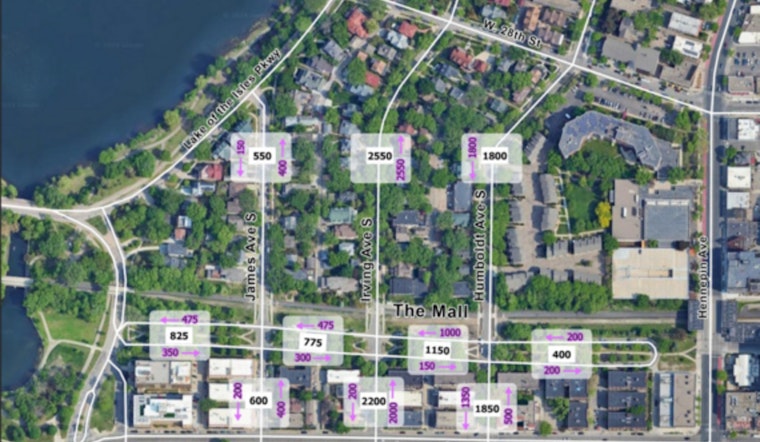
Minneapolis residents and The Mall Park aficionados have a reason to mark their calendars. On February 11, a public meeting is set to shed light on the traffic and parking study that has delayed the park's proposed improvements. The study, prompted by local concerns, has been a speed bump in the road to revamping the area with features like a Woonerf street design and an expanded green space.
The Minneapolis Park and Recreation Board (MPRB) had hit the pause button on The Mall Park's makeover in May 2024. With residents of East Isles and adjacent neighborhoods flagging potential traffic headaches and a shrinking parking availability, the Commissioners wanted to steer clear of future gridlock. Consequently, they hit the brakes on the project's progress and called for a detour into traffic and parking analysis, as detailed in Resolution 2024-85.
The upcoming neighborhood meeting isn't just a chance for project staff to present findings, it's an opportunity for a community-powered Q&A session. Scheduled to initiate at 6 pm at the Grace-Trinity Community Church, those willing to circle the block for answers about the future of The Mall Park will find their destination on the evening of February 11. In addition, input from the Fire Marshall and City Engineer will fuel the conversation, as they've reviewed the proposed roadwork changes with an expert lens.
What's on the horizon for the park is still a mosaic of options, with commissioners slated to ruminate on them at a Board meeting in early 2025. Interested stakeholders can anticipate more updates via email or the project's webpage. As the community gears up for this discussion, the wheels of change at The Mall Park continue to turn, albeit with a conscientious speed governed by Minneapolis residents' feedback and the looming considerations of traffic flow and park accessibility.




