

























































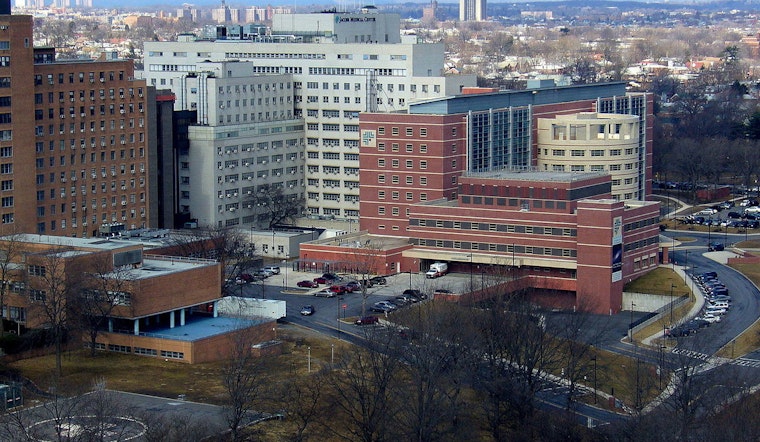
Physicians at three prominent NYC public hospitals have collectively turned down a proposed labor contract, setting the stage for potential strike actions. The doctors, affiliated with Jacobi Medical Center, North Central Bronx Hospital, and Harlem Hospital, are represented by the Doctors Council SEIU and voiced concerns over a perceived lack of transparency during negotiations, as well as contract terms that fall short on key recruitment and retention incentives, as reported by Crain's New York.
The ball was set rolling on this development after Doctors Council President Dr. Frances Quee sent out a memo to union members, which Crain's New York had a chance to review, stating, "The results of the voting process reflect the diverse realities faced by doctors across NYC Health + Hospitals." Quee emphasized the union's dedication to re-engage in discussions to address the issues at hand that were brought up by the hospitals rejecting the tentative deal. Meanwhile, a spokesperson for New York City Health + Hospitals and the Physician Affiliate Group of New York, which employs the physicians, has not immediately responded to requests for comment on the matter.
In contrast, a recent hopeful development saw over 2,500 attending physicians covered by Doctors Council SEIU reach a tentative labor agreement aimed at boosting pay and adding benefits thus avoiding strikes that loomed over four hospitals, as Gothamist reported. This proposed contract includes "substantial" salary increases, longevity bonuses, and specialty-specific bonuses to encourage doctors to continue working within the system. Furthermore, Dr. Quee, in a statement captured by Gothamist, shared jubilation over the tentative agreement, saying, “I am proud that this tentative agreement puts us on a path to enhance care — for our patients, our communities, and the dedicated doctors they entrust."
Following the prevention of what would have been a historic walkout in early January, the tentative agreement comes with the city's commitment to a $12 million compensation pool designed to adjust physician salaries to market rates for hiring purposes, the push from Mayor Eric Adams for renewed negotiations using a third-party mediator played a critical role although the risk of strike action persists as physicians at several hospitals, that are yet to ratify the new contract, remain dissatisfied with the terms. The situation remains fluid and it is yet to be seen whether further negotiations will mend the divide between the physician's demands and the offerings from their respective employment bodies.





.jpg)