

























































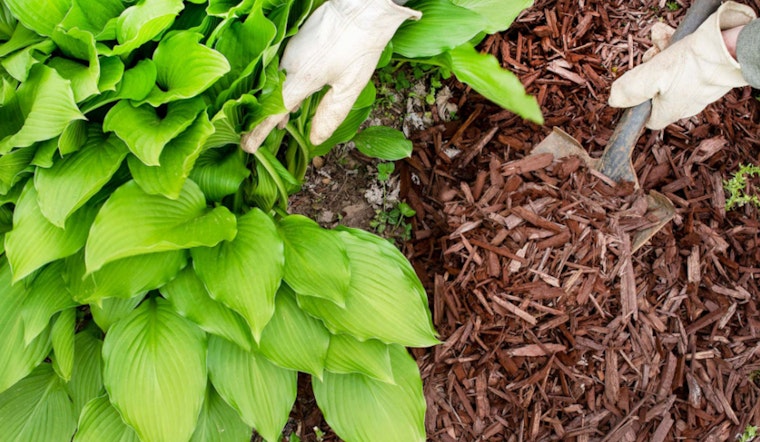
For those with a green thumb or even just a budding interest in gardening, mulch is more than just a garden accessory. Its benefits extend beyond enhancing the look of your yard—mulch is a heavyweight champion in the fight for plant health. This vital player in the garden game was highlighted by David Hillock, an Oklahoma State University Extension consumer horticulturist, who stressed the importance of mulching by stating, “Mulching garden soil is one of the most valuable, cultural practices of gardening,” according to OSU Extension. Hillock went on to elaborate that mulch serves to better control weeds, minimize water evaporation, and help manage soil temperature.
In the ever-changing arena of garden warfare, mulch comes armed to aid in increasing water absorption and retention, as well as to safely decrease water runoff and soil erosion. That's not all—Hillock pointed out that mulch is also instrumental in creating a haven for earth-friendly creatures such as earthworms. It further acts to protect plant trunks from damage caused by lawn equipment and even helps to prevent soil compaction, which can negatively affect root growth by limiting a plant's access to air and water, thus hindering its overall vitality.
There are two main contenders in mulching materials: organic and inorganic. The former includes options like wood chips and compost, which are not only low-cost but also pull double duty by improving soil quality as they break down. Inorganic mulches, while not enriching the soil in the same way, include alternatives such as shredded rubber and rocks—still useful but with different benefits. “A lot of soil in Oklahoma has high mineral content but is low in organic matter,” Hillock said. Integrating organic mulch into your garden can be a game changer by amping up organic content and improving soil condition, as stated by the OSU Extension.
Timing is key when spreading mulch. It should be done after plants start growing, but you should check the soil's temperature and moisture first. If the soil isn't warm enough, it's better to wait a bit longer. Hillock also warns against piling mulch against the base of trees and shrubs, as it can cause trunk rot. Even the best plans need to be carried out carefully, as reported by the OSU Extension.
Some gardeners may consider using landscape fabric instead of mulch to block weeds, but it can cause problems. Over time, soil and debris can clog the fabric, stopping water and oxygen from reaching plant roots. This can stress plants as they struggle to get the resources they need. As the gardening season ends, Hillock encourages gardeners to plan for spring and think about how mulch can help reduce weeds and improve their garden's health, as per the OSU Extension.




