

























































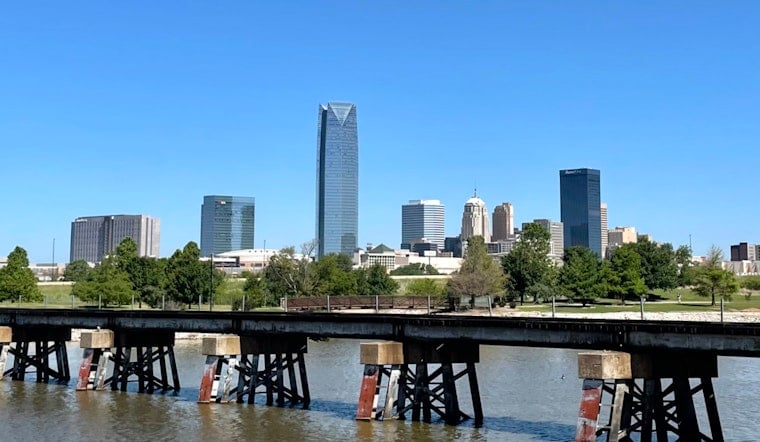
Oklahoma City just landed in the basement of a national fitness report, coming in at 100 out of the 100 largest U.S. cities in the 2026 American Fitness Index. The ranking, which looks at both residents' health and the local environment that supports exercise, highlights longstanding gaps in physical activity, chronic disease and access to recreation. For many locals, the result felt less like an inevitability and more like a gut check for two decades of efforts to get the city moving.
How the index works
The American College of Sports Medicine and the Elevance Health Foundation built the 2026 index using 35 evidence-based indicators that cover personal health, community infrastructure and environmental conditions, with Oklahoma City landing at No. 100 in the latest release. As outlined by American College of Sports Medicine, the index combines measures such as obesity and chronic-disease rates with access to parks, trails, transit and air quality. Runners World reported that Arlington once again took the top spot, while cities including Memphis and Indianapolis filled out the bottom five.
Lake Hefner reaction
Out at Lake Hefner on Wednesday, some residents said the ranking does not square with what they see on the shoreline paths. "It looks like that a lot of people are outside, still on bikes or walking," Claudia Mataranglo, who walks her dog Lucky at the lake, told KFOR. Another local, Sydney Lepak, who works in health care, told the station she found the news "super concerning."
History and past efforts
Oklahoma City has been here before. The city has routinely finished near the bottom of earlier American Fitness Index lists and again ranked last in 2024. The Journal Record covered that earlier result, while public-health researchers have pointed to structural factors that keep activity levels and diet-related metrics lagging. Mayor Mick Cornett's 2007 "one million pounds" initiative, which city leaders said hit its goal in 2012, is frequently cited as a high-profile effort to change course, according to a retrospective in the American Journal of Public Health.
Local investments and next steps
City officials and nonprofits point to a string of projects aimed at making it easier for residents to get active, from upgraded parks to new community centers. The YMCA of Greater Oklahoma City broke ground this spring on a North Side facility that will feature updated pools and fitness space, a project reported in new North Side YMCA. Advocates say the fresh round of bad news underscores the need to direct those investments into neighborhoods with the highest disease burdens, not only into already improving downtown areas.
What the ranking means
Public-health experts emphasize that the index is a snapshot of systemic challenges, not a verdict on residents' personal drive to exercise, and that it offers cities a menu of specific ways to improve. The American College of Sports Medicine also provides an interactive city-comparison tool that lets communities break down scores by indicator and track whether local changes are actually moving the needle.





