

























































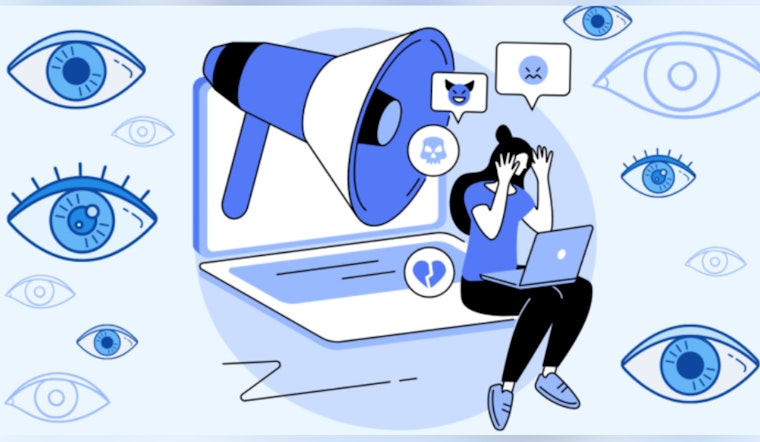
As the city marks National Stalking Awareness Month this January, the spotlight intensifies on a pervasive form of intimate partner violence (IPV) that often escapes the public’s eye: stalking. According to information provided by the City of Philadelphia's official page, stalking is a pattern of behavior that would make a reasonable person feel fear or emotional distress, designed, with deliberate intention, to be oppressive and threatening.
It's essential to start to understand the gravity of this issue; stalking is anything but trivial. As described on Philadelphia’s Government site, this can manifest in various ways, including unwanted surveillance of online activity, persistent and undesired communication through calls or texts, and even the delivery of unwanted gifts. This behavior, although sometimes might be dismissed as innocuous, can indeed be menacing and signifies a serious criminal offense.
Statistics signify the high prevalence of such covert aggressions, with "one in three women have experienced stalking, and two in five women have survived IPV," as Philadelphia’s Government website highlights. The guide from SPARC attached to the city's announcement gives further details on identifying stalking, stressing the importance of nuanced judgment when evaluating certain behaviors that may appear normal in different contexts.
For those experiencing the isolating horror of being stalked, Philadelphia does not leave its citizens to fend for themselves. Emergencies warrant an immediate call to 911, but the city also provides ongoing support through the Philadelphia Domestic Violence Hotline at 1-866-723-3014. Survivors of IPV can access free counseling services from Lutheran Settlement House, Congreso de Latinos Unidos, or Women In Transition. And for legal queries, like how to file a Protection from Abuse Order (PFA), the Women Against Abuse Legal Center or Philadelphia Legal Assistance are ready to guide.




