

























































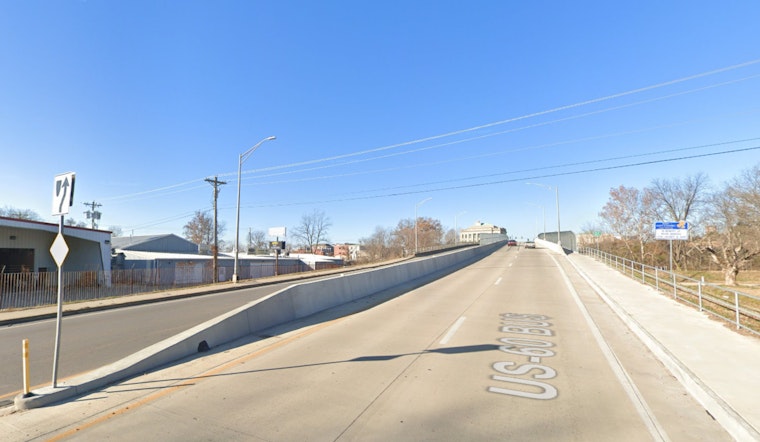
Poplar Bluff's residents have spoken, and the Missouri Department of Transportation (MoDOT) has taken heed by tweaking its initial plans for the stretch of Business 60, also known as Pine Street. Initially proposing a road diet from 10th Street to Route B, MoDOT aimed to resurface the area between Route W and Route B, turning the 4-lane roadway into a more streamlined 3-lane avenue with dedicated turn lanes, as reported by MoDOT.
However, the feedback that poured in during the agency's two-week public consultation period brought to light concerns specifically about the transition around the Black River bridges, the proposed changes have thus been revised, now the plan is to implement the road diet only east of the Black River, "We will honor our commitments and will continue with plans to resurface Business 60,” MoDOT Project Manager Curt Woolsey explained, affirming that the department values public input highly.
The compromise aims to satisfy both sides of the debate by enhancing safety and creating wider lanes where the community and traffic analysis have shown support, particularly east of the river, where the constraints of signal updates are not present thus giving motorists along this segment a potentially more efficient, if unchanged by signal improvements, driving experience. "Completing the road diet east of the Black River still allows us to address the curve between Peach Street and C Street," said Woolsey, outlining the focused nature of the project’s new scope, as per MoDOT.
Anticipated to start in April 2025 and reach completion by fall 2026, MoDOT's project reflects a considered response to local voices, acknowledging the area-specific demands of Poplar Bluff's residents, as Woolsey highlighted "MoDOT appreciated the input from local residents who drive the route weekly or even daily and collaborating with stakeholders," indicating a collaborative approach to urban planning that emphasizes the importance of community engagement in the developmental stages of public works.




