

























































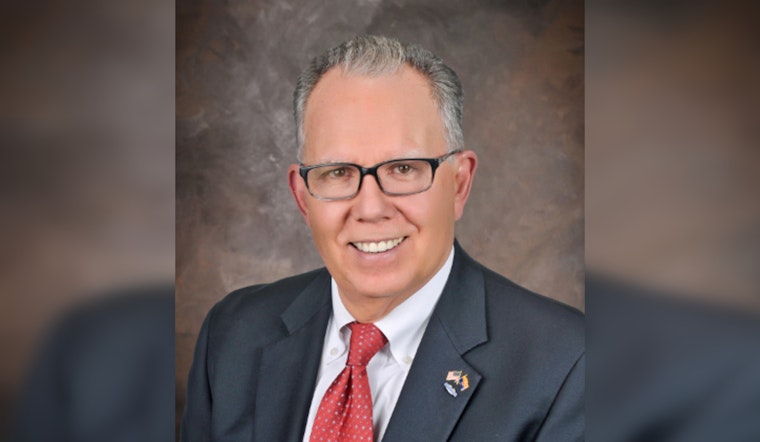
Prescott's mayor is kicking off the new year with a message of economic vitality and a slew of developments aiming to bolster the city's safety and living standards. In a recent newsletter released by the City of Prescott, details emerged about Prop 478, a tax measure passed last November that is set to enhance public safety services. "Your Yes vote adopted a dedicated transaction privilege (sales) tax of ninety-five hundredths of one percent (0 .95%) to fund new fire stations, police evidence facilities, equipment and staffing to operate them," the mayor stated. Notably, the tax rate is to reduce to 0.75% by December 2035 or potentially earlier once the capital expenses are finished.
Prop 478's impact is expected to be significant, providing faster response times and a higher safety level for Prescott citizens. Aside from this initiative, the city is also focusing on targeting workforce housing policies and economic development efforts. Regarding the latter, Prescott sees an influx of new businesses and is currently supporting the expansion of existing ones. Infrastructure improvements are on the city's radar as well, with plans to construct two new fire stations and a police evidence facility. However, some other segments like retail, restaurants, and tourism-related transient occupancy have seen modest declines, something to continue to keep an eye on.
Moreover, the mayor announced that the 2025 General Plan is undergoing review and will be placed on the ballot for August 2025. This document, revised every ten years and mandated by state statute, will guide the city's direction in land use for the next decade. In anticipation of future growth and sustainability, Prescott has also initiated a Long Term Water Management Plan with aid from a Bureau of Reclamation grant.
In the realm of development, Prescott is witnessing a 62% surge in Single Family building permits from the previous year. Coupled with this are over 950 single-family housing units and more than 1,500 units of multifamily residences currently under review or development. To facilitate tracking of such expansion, the city has unveiled an interactive development map on its website. Commercial space is not lagging either, with nearly 300,000 square feet under development, which includes projects like the Auto Mall at Deepwell Ranch and the SAFE complex at Prescott Airport. A new 104-room hotel downtown is also set to break ground.
On the transportation front, the Prescott Regional Airport has managed to secure a $3.1 million grant from the Arizona Department of Transportation, earmarked for land purchases aimed at enhancing airport protections. A new air traffic control tower's blueprints are forthcoming, and a critical traffic improvement project along SR 89 is in the offing, with decisions expected to be made later this year. Additionally, the city is turning its attention toward the rodeo grounds, seeking to master plan one of Prescott's key assets.
Reflecting on the broader landscape, the mayor emphasized that Arizona's burgeoning high-tech sector boom positions Prescott for economic prosperity. The nearing completion of the I-17 widening and flex lane project is bound to facilitate travel, reinforcing Prescott's connectivity with the Valley. As local governance braces for the impact of federal policies on border states like Arizona, Prescott looks to keep adapting flexibly to the changing conditions, according to its leader's vision for the future.





