

























































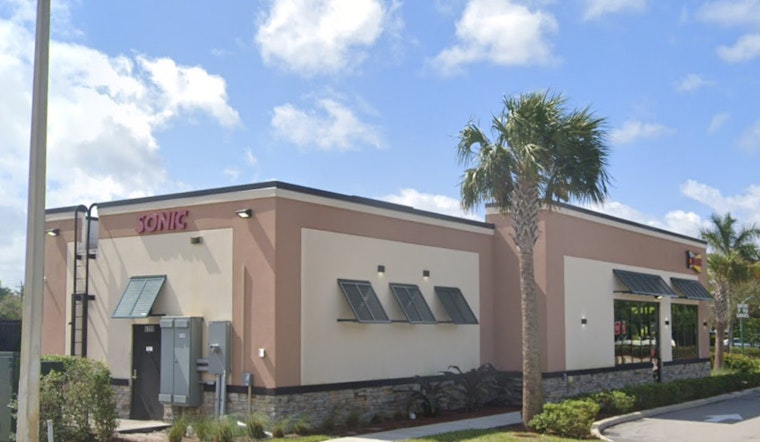
A string of health code violations has led to multiple restaurant closures across South Florida, with some establishments being ordered to shut down for the second time in just a few months. As per recent inspections by the Florida Department of Business and Professional Regulation, significant sanitation, storage, and operational breaches have been discovered at various dining spots.
The Sonic Drive-In located at 6200 West Sample Road in Coral Springs was forced to close its doors after an inspector, propelled by a customer complaint, uncovered 17 violations including mold on lemons and limes, and dead flies in the ice cream mix. This marks a recurring issue for the fast-food chain, which had a previous shutdown in November. Noted issues included food stored at improper temperatures, the interior of the ice machine sporting black and green mold, and dirty surfaces riddled with food residue, as reported by Coral Springs Talk.
Other restaurants across the region have faced similar fates. Ten Ten Seafood & Grill in Sunrise, La Calentita No.1 in Hollywood, and El Mio in Miami were all mandated to cease operations due to a variety of violations, including live and dead roaches, unseparated raw and ready-to-eat foods, and surfaces soiled with food debris and mold-like substances. Several instances of improper food storage temperatures were detailed among the violations, signaling potential hazards to consumer safety, according to Local10.
Among the breaches of protocol, perhaps the most alarming was found at Salty's Bar and Grill in Key Largo, where inspectors reported "Rodent activity present as evidenced by rodent droppings found. Observed approximately 30 droppings inside panko white bin container, in kitchen area," directly in the kitchen area. Fat Freddy's in Oakland Park also faced sanctions after being caught without potable water or soap at hand-washing stations and operating with an expired license. One of the crucial lapses by these entities seems to be related to fundamental operational overlooks, from expired employee training to lacking proof of food manager certification – responsibilities that fall heavily on managerial oversight, as detailed by Local10.
The impacted restaurants were allowed to reopen following their ordered cleanups and re-inspections.





