

























































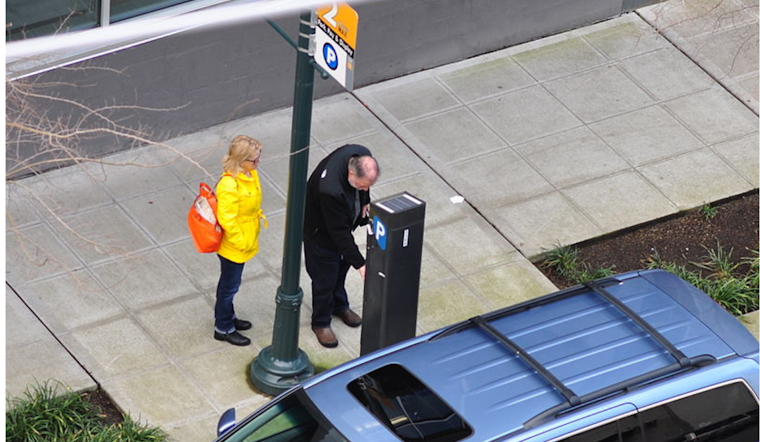
As the emerald city enters the new year, Seattleites face a noticeable uptick in parking fines, confirmed by several local media outlets. The increase, which took effect yesterday, has bumped the previous range of $29 to $53 for most parking infractions up to a starting point of $43, with maximum fines potentially hitting $78, according to a report by KIRO 7. Certain offenses like illegal parking in a disabled zone or using a forged parking permit continue to attract even steeper penalties.
In the face of parking woes some might see as part of urban living, the Seattle Department of Transportation (SDOT) rationalizes the hike with observations of persistent misconduct among drivers, particularly in areas buzzing with activity like sports stadiums and a rapidly developing South Lake Union, which, paired with the nation's third-highest median income, has nurtured a sort of gamble where the risk of a fine is outbalanced by the exorbitant cost of private parking options, which can be as high as $24 to $30 a day; as noted by SDOT spokesperson Ethan Bergerson in a statement obtained by The Seattle Times.
The city's decision hasn't been made on a whim—the last update to parking fines was back in 2011. With this significant change, ticket recipients are reminded they have the right to request a hearing to dispute a ticket within 30 days of issuance, a detail emphasized by KOMO News. Ignoring tickets could spiral into greater financial headaches as late fees add up, collection agencies get involved, and the risk of driver's license suspension and vehicle registration holds loom over the noncompliant.
The clarity of consequences doesn't only serve as a warning for the daily driver but also underscores a municipal resolve to enforce order and cultivate compliance, as unpaid tickets could trigger a chain reaction of bureaucratic hurdles that might affect vehicle registration and legal driving privileges in the state, interventions suggesting that Seattle's streets are not mere conduits of travel but arenas where public policy and individual choice collide, molding the scope of urban movement and behavior.





