

























































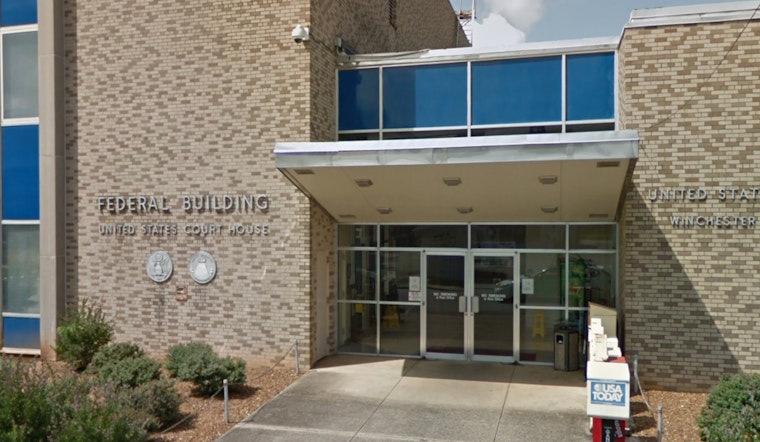
In Tennessee, the Protect Tennessee Minors Act, a law mandating age verification on social media and pornographic websites, was put on pause mere days before its intended implementation. A federal judge has intervened, citing First Amendment concerns, as reported by FOX17. The Free Speech Coalition (FSC), stepping up as plaintiff, has fought vigorously against the act stating it stifles a significant quantity of protected adult speech.
The law, known for its intentions to safeguard minors from explicit online content, faced criticism for the potential risk it posed to free speech and privacy. According to WKRN, the FSC challenged the law's requirement for users to verify their age through identification uploads, flagging concerns over data security and privacy invasions. In a statement obtained by WSMV, FSC's executive director, Alison Boden, thanked their legal team and highlighted the law's shortcomings as too severe for simple expressions of speech online.
Chief United States District Court Judge Sheryl H. Lipman brought the law under scrutiny for its restrictive nature, which does not align as, "the least restrictive means of advancing Tennessee’s interest in protecting minors from pornography." This sentiment was echoed in a ruling that suggested alternative methods, like blocking and filtering tools, which might serve the intended purpose without infringing on rights, as stated in a WKRN article. The fallout from this decision has generated an emergency appeal from Tennessee Attorney General Jonathan Skrmetti.
The ramifications of this legal contest in Tennessee extend beyond its borders, with the FSC also engaging in legal battles over similar laws in states like Louisiana, Texas, and others, culminating in a Supreme Court hearing for the Texas case Free Speech Coalition v. Paxton on January 15, 2025.




