

























































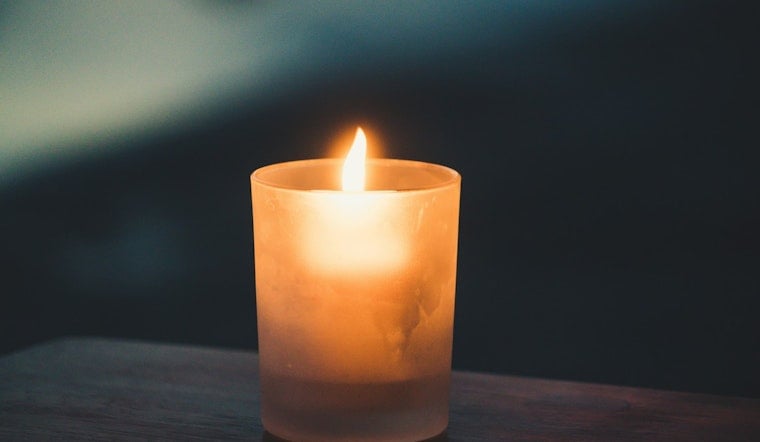
The allure of candles can be undeniable, their glow bringing warmth and light to many homes, and indeed, they play a significant role in the rituals of faith and tradition. Yet, there lies a hazard beneath the flicker, a potential for destruction. Washington State's Fire Marshal's Office (SFMO) wants to remind the public that, while candles can provide ambiance, they also present an open flame—a prime opportunity for the unforeseen to occur. As reported by the SFMO, combustible materials left unattended near these flames have the capacity to transmute, without warning, life's tranquility into chaos.
According to data from the National Fire Protection Association, an alarming 32% of home decoration fires stem from candle use. Still the lure of their light continues, often overshadowing these figures which tell of the danger. In Washington State alone, 2023 was marred by as many as 1,763 fire incidents caused by such open flames, dealing over $57 million in damage, carrying away in its smoke an untold number of memories and possessions; histories turned to ashes.
With a nod to caution, the SFMO dispatches a litany of advisements. They implore each user to snuff out their candles prior to abandoning a room or succumbing to sleep. They call for a cessation of the hand-to-hand passage of lit candles, recommending instead the stability of a sturdy holder. Perhaps, an undervalued wisdom, but steeped in the dread of having seen too much. They warn of curtains and blinds—witnesses turned to kindling by a chance breeze through an aperture—and so, candles must be set a minimum of a foot away from anything susceptible to burn. As wisdom often goes, it is the unheeded that bears the costliest of prices.
There are spaces sacred where flames are forbidden to those who breathe with aid, where oxygen flows through tubes, and there, as well, candles have no place. Amongst the young, the curious hands, where education has yet to instill the severity of the flame, a vigilant eye must be kept. Ceremonies, moments of devotion, those too demand the presence of an elder to shepherd the flame, lest faith be tested by fire. A candle, they beseech, should never gutter into nonexistence alone; it must meet its end before the embrace of its holder. Yet, there exists an olive branch in technology, the flameless candle, providing ambiance free from the tethers of danger.
Indeed, the SFMO's words are a stark reminder, a toll of the bell that resounds with the knowledge of what can—and too often does—fall at the feet of an open flame. "Always blow out candles before leaving a room or going to bed," they underscore, words less a directive and more a communal hope—a hope to hold onto the simple sanctity of a candle's light without courting the shadow of loss it can cast.





