

























































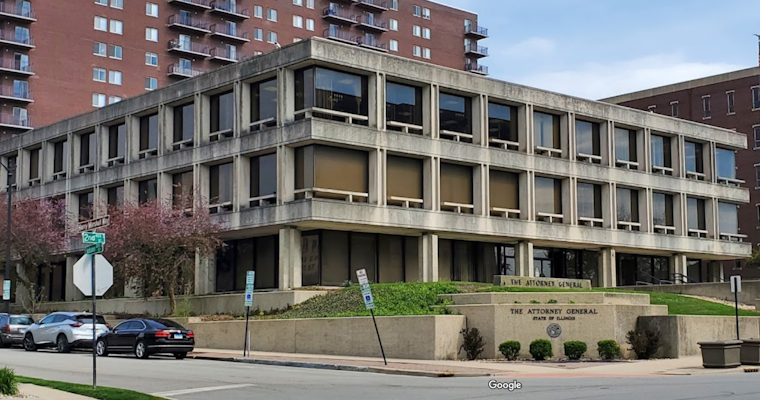
Attorney General Kwame Raoul is leading a group of ten state attorneys general to challenge what they see as an unwarranted national energy emergency. Citing a thriving energy production sector, these officials, backed by Raoul, have taken a stance directly to the U.S. Senate Committee on Energy and Natural Resources, lobbying for swift action with Senate Joint Resolution 10. The resolution is aimed to terminate the national energy emergency previously declared by Executive Order 14156 during President Trump's tenure.
The joint letter expresses the attorneys general's firm belief that the energy emergency is baseless. It reflects a perspective that the U.S indeed is, as of now, a net energy exporter and has been since 2019. In an attempt to evidently shake the federal government into action, Raoul and his counterparts are arguing the point that extreme weather poses a greater threat to the nation's energy grid than any supposed scarcity of fossil fuels.
In an announcement published by Raoul's office, the energy emergency's existence is challenged on scientific grounds. Raoul states, "There is no energy emergency because the United States already has an abundant, reliable energy system with production at an all-time high." The assertion here is clear; the present state of energy production and the robust nature of the energy grid are more than adequate in supporting and diversifying the country's future energy needs.
However, the pursuit to terminate the national energy emergency is not just a stand for energy adequacy; it is also a statement against what Raoul and the coalition consider a myopic energy strategy. Raoul suggests that the emergency declaration, by discouraging a diverse energy portfolio, can potentially make the nation's energy supply less reliable and less affordable in the long run.
The group's stance is not merely a political gesture but rather indicative of a sentiment shared by attorneys general from across the country, with representatives from Arizona, Maryland, Massachusetts, New Mexico, New York, Rhode Island, Vermont, Washington, and Wisconsin joining Raoul in his efforts. Together, they implore the Senate Committee to acknowledge the resolution's necessity, stressing that unfounded emergency declarations run counter to the nation's interests.




