

























































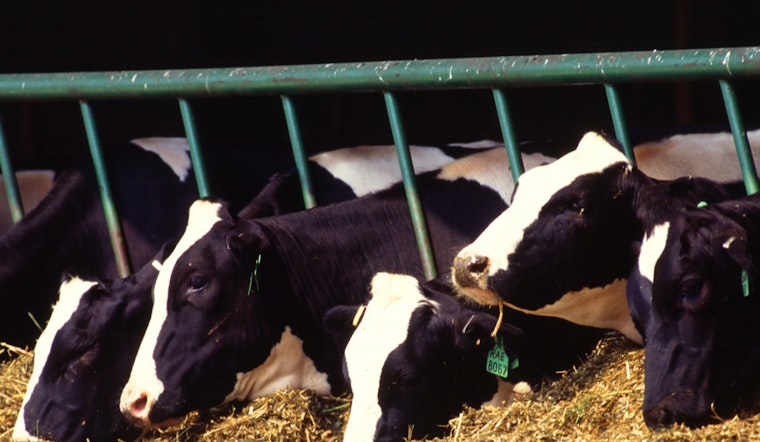
In Arizona's dairy sector, a storm is brewing, but not of the meteorological kind. The Arizona Department of Agriculture, in partnership with the USDA, has confirmed the state's first case of avian influenza H5N1 in milk from a Maricopa County dairy herd. As of February 11, 2025, the affected dairy facility has been put under quarantine, a precautionary response to the detection made through the newly implemented National Milk Testing Strategy.
While this is a first for Arizona, officials have underscored that the public has little to worry about since pasteurization kills viruses in milk. Craig Caballero, CEO of the United Dairymen of Arizona, explained, "One of the biggest things we would like to have in the dairy industry is to have a worker visa program," as per a report by ABC15. Addressing the workforce crisis, Senator Mark Kelly, during a visit to a Tempe dairy facility, remarked that ensuring "dairy farmers have the workforce they need to do jobs that are rather challenging, but are incredibly important to food security here in the United States" is a priority.
Anchoring tariffs as another concern, Senator Kelly has expressed a desire to collaborate with his political counterparts to avert further complications for the dairy industry, as reported by ABC15. He emphasized the pressing need to address these intertwined issues firmly.
Moving forward, the AZDA has begun coordinating with the Arizona Department of Health Services and the Maricopa County Department of Public Health to issue safety guidance for dairy workers at the quarantined facility. Although the detection of avian influenza in dairy cattle is alarming, there are no current signs of illness in the cattle. Individuals in close proximity to dairy cattle, however, may face increased risks, according to EIN. All dairy farms in the state have been subjected to at least one round of testing since the strategy's inception this January, and the disease appears to be an isolated incident, as no other dairy has tested positive to date.
Amidst these developments, dairy officials are firm in their stance that milk remains safe to drink post-pasteurization. As the industry grapples with its labor woes and the looming threat of tariffs, the presence of the bird flu has not escalated to a health concern for consumers, reassuring the public of the safety and quality of Arizona’s dairy products.





