

























































As Boston grapples with the realities of climate change, city officials have unveiled a multipronged strategy designed to enhance emergency preparedness and bolster long-term resilience against extreme weather events. Mayor Michelle Wu, alongside city chiefs and public safety officials, emphasized the need for a unified governmental response to the mounting risks posed by rising sea levels, extreme heat, and intense storms. According to a recent Boston.gov article, the focus is shifting from planning to boots-on-the-ground implementation, involving residents and addressing the needs of communities most vulnerable to climate-induced emergencies.
Mayor Wu stated, "Climate risks require an all of government approach, and here in Boston we’ve been working on short and long term initiatives to better respond in emergency situations and protect our residents in the generations to come." Meanwhile, Emergency Preparedness Chief Adrian Jordan underscored the importance of community involvement, urging locals to sign up for AlertBoston and create personal emergency plans. "The more our residents are informed, engaged, and prepared, the stronger our response will be in the face of any emergency," Jordan told Boston.gov.
Chief Climate Officer Brian Swett highlighted the city's multipronged approach, which entails upgrading Boston's infrastructure to withstand future climate-related threats, from rising seas to extreme storms and dangerous heat. Moreover, the Inspectional Services Department has now a Floodplain Administrator to improve floodplain management and potentially lower flood insurance costs for residents through FEMA’s Community Rating System Program. This role is seen as integral to enacting the city's Natural Hazard Mitigation Plan, as shared by Chief of Operations Dion Irish with Boston.gov.
On the infrastructure front, Boston is acting to literally ground itself against the tides of change. Mayor Wu highlighted the new District A-7 police station in East Boston, established in 2023, replete with climate resilience features like stormwater chambers and a white roof aiding in heat mitigation. Councilor Gabriela Coletta Zapata voiced community-level concerns, stating, "Our neighborhoods are already seeing the effects of rising seas, extreme storms, and dangerous heat." She lauded the city's move from planning to proactive measures to protect at-risk areas.
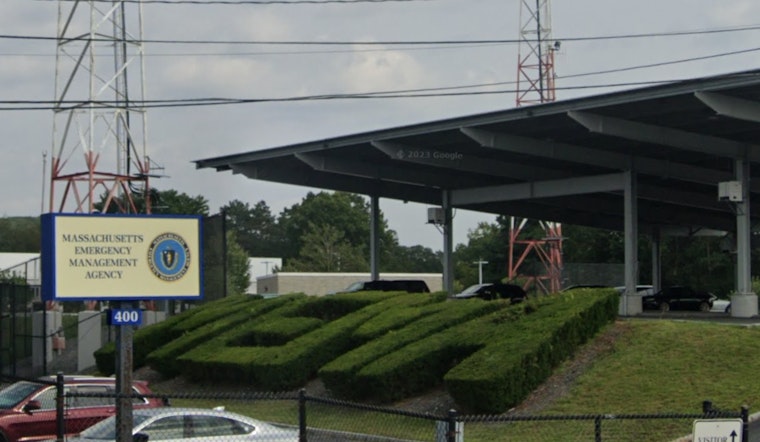
Other city developments to enhance resilience include the Boston Fire Department’s high water rescue vehicles and upgrades to the flood forecasting system. Invested efforts in green infrastructure are also evident in the redesigned parks, tree plantings by the Urban Forestry Division, and the implementation of green roofs on bus shelters. Massachusetts Emergency Management Agency Director Dawn Brantley spoke of the essential collaboration at state and local levels in addressing these complex climate-induced crises, as seen in shared training and planning efforts. Brantley recognizes Boston's role in enhancing resilience, particularly in disadvantaged communities that often bear the brunt of climate impacts disproportionately.
With a national uptick in severe weather emergencies, Boston residents are also being nudged to familiarize themselves with updated evacuation routes and sign up for the free Alert Boston service available in the city’s 11 most-spoken languages. The Office of Emergency Management is pivoting to make more educational materials accessible online, in tandem with revising physical evacuation signage to reflect more accurately current traffic flow and vulnerable locales.




